
Magazine · Travel
35 Things to See in Mallorca
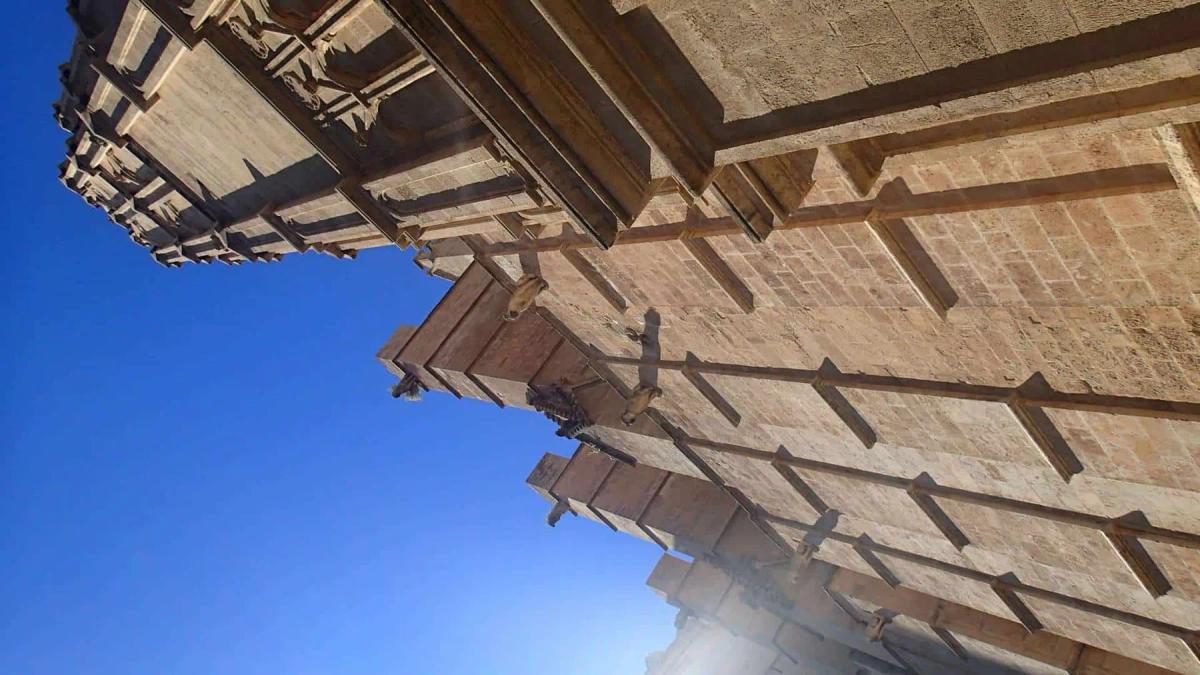
Mallorca is one of the most beautiful islands in the world and offers a wealth of excursions you can book through one of the local travel agencies. But if you'd rather explore the island on your own, here is a handy list of 35 of the most important sights in Mallorca.
Rene Boulay
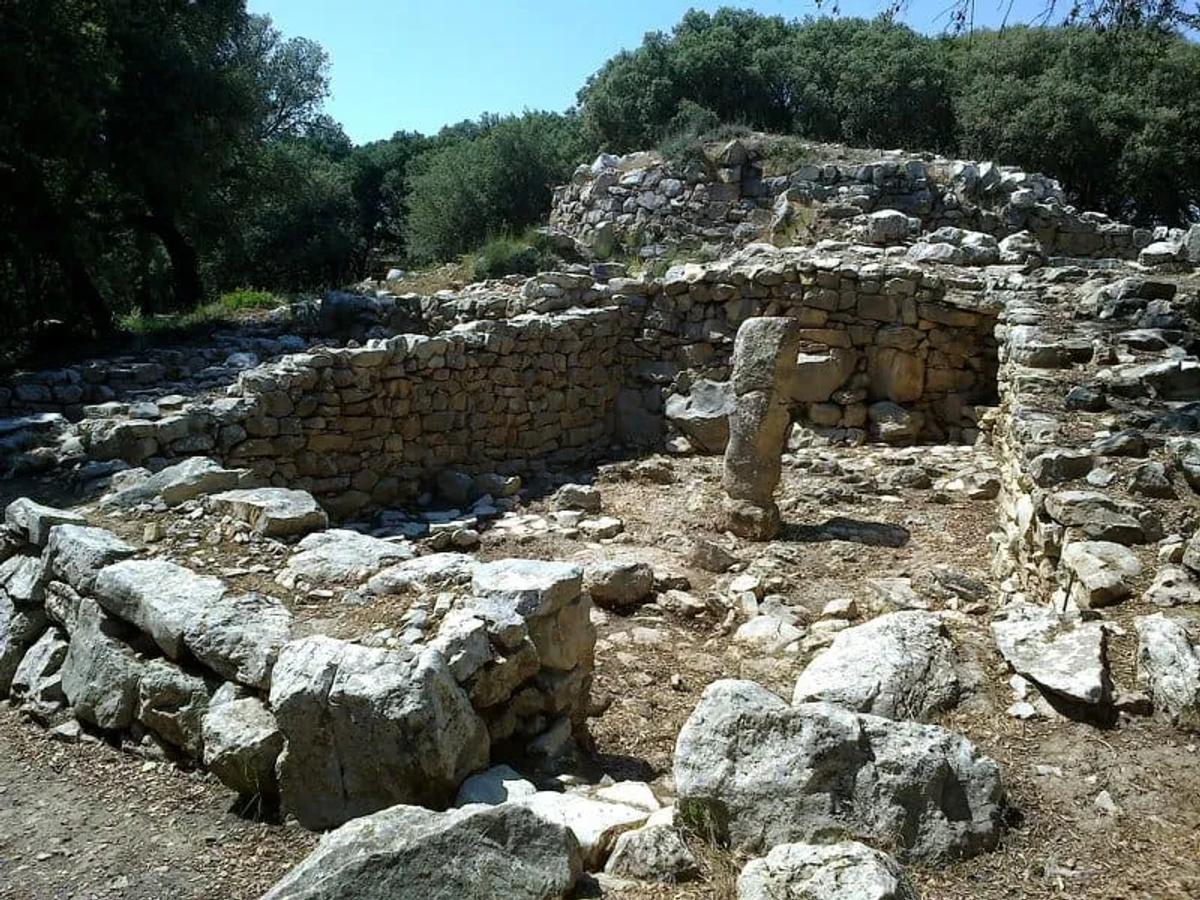
1. Ses Païsses, Artà
Combine a visit to Artà's excellent Tuesday market with a trip to the impressive Bronze Age Talayotic settlement on the edge of town – one of the best preserved in the Balearics. It is well worth a visit to imagine what life must have been like for the island's first settlers behind these walls. The attraction closes before the midday break.
Maria Rosa Ferre
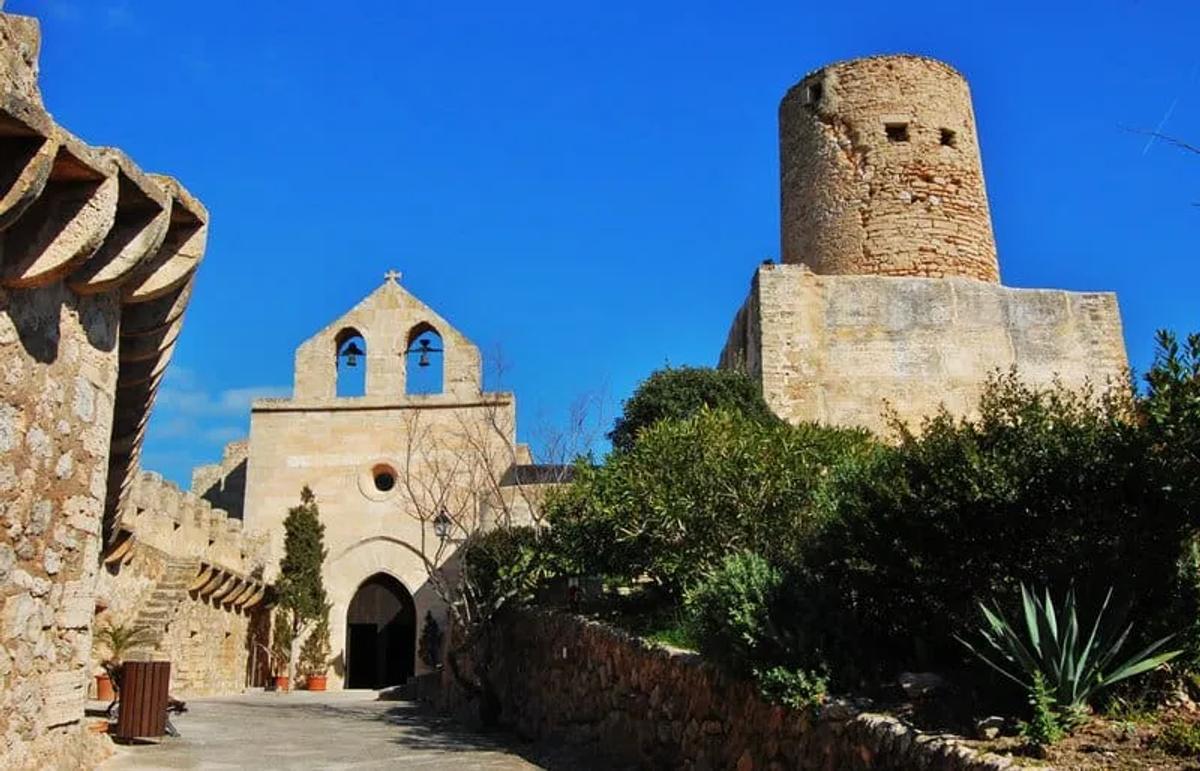
2. Castle of Capdepera
Visit the remains of the early-14th-century castle, perched on a hill above the little town of Capdepera and offering a magnificent view of the north-eastern coast (on a clear day you can see Menorca). The surrounding walls once enclosed as many as 150 dwellings. A wonderful place for children to let their imagination run wild!
Olaf Tausch
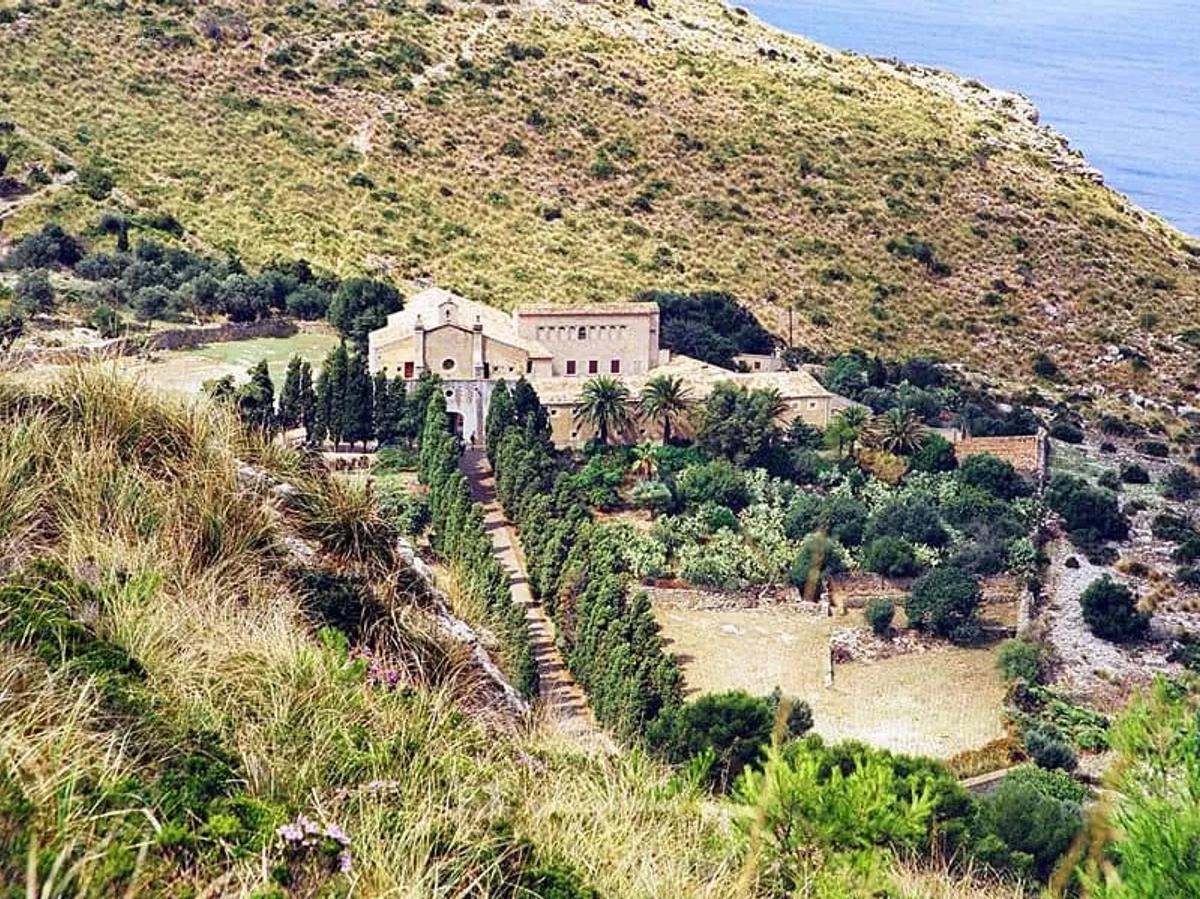
3. Betlem Heritage, near Artà
It's a beautiful drive from the northern side of Artà (where you can see Menorca), winding up to the peaceful, rural setting of the 'Ermita de Betlem' in Sa Deves de Ferrutx. If you're lucky, the only sounds in the hermitage are birds, insects and sheep bells, making it a fantastic spot for a picnic after visiting Artà, another key place on the list of Mallorca's sights. The hermitage was founded in the early 19th century by the hermits of St Honorat in Randa and the Trinity in Valldemossa, and the little chapel is the perfect place to escape the heat and the dazzling glare of the sun. Don't all go at once!
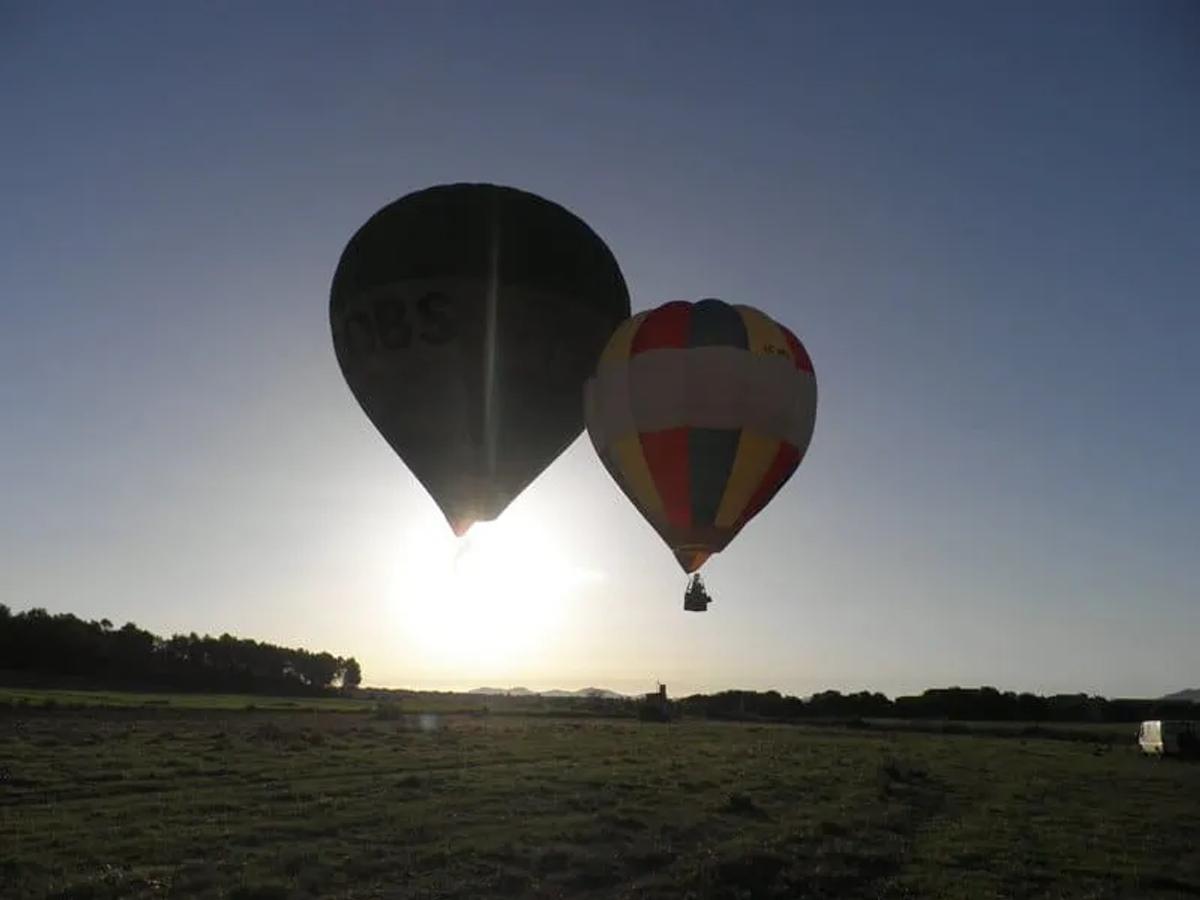
4. Mallorca Balloons, Manacor
A great way to see many of the sights and one of the most exciting things to experience in Mallorca! On an early-morning hot-air balloon ride from the Mallorca Balloons base on the edge of Manacor, you drift peacefully on the wind over the island at a height of 1,000 to 1,500 feet. On a clear day you can see Cabrera and Menorca. Balloon baptism and flight certificates included.
Lolagt
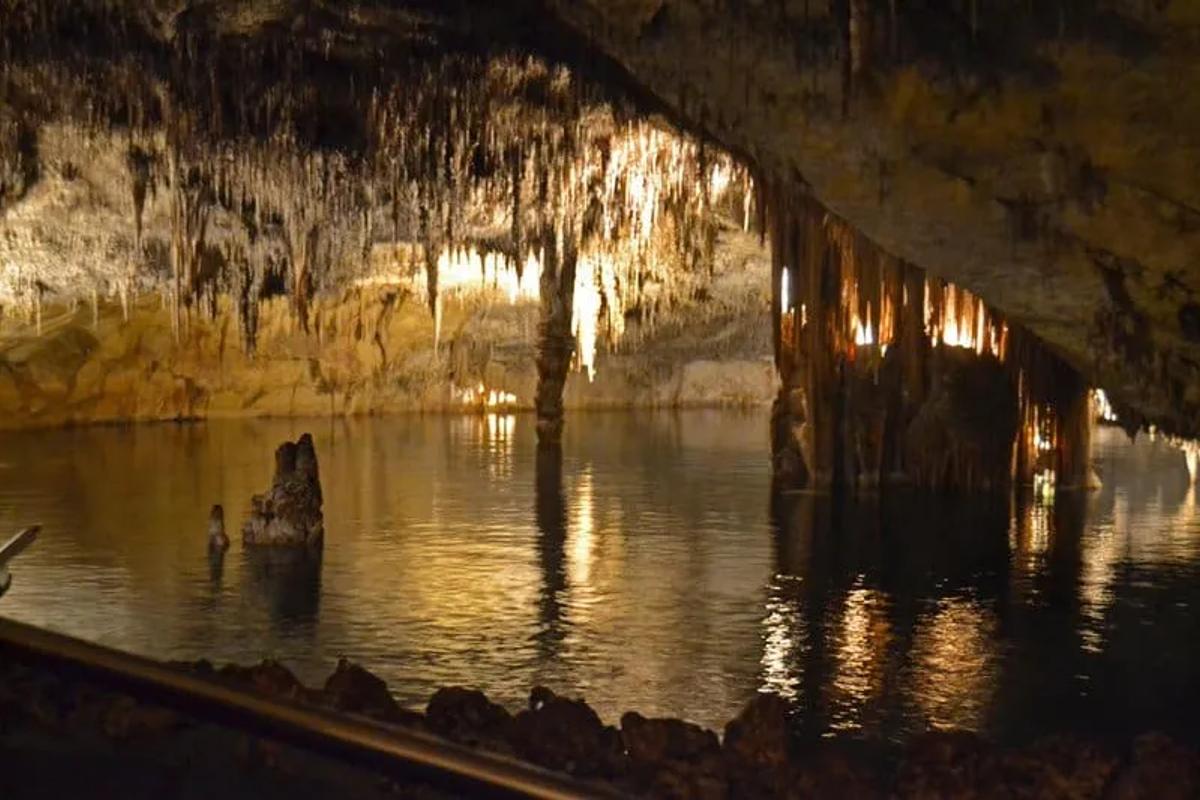
5. Caves of Drac (Cuevas del Drach or Coves del Drac) in Porto Cristo
Another impressive sight in Mallorca are these world-famous ancient limestone caves, mapped by the French geologist Édouard Martel in the late 19th century. There are two huge main chambers, numerous romantically named stalactite and stalagmite formations and one of the largest underground lakes in the world, where classical concerts are held daily. Guided tours lead through the caves.
Jarke
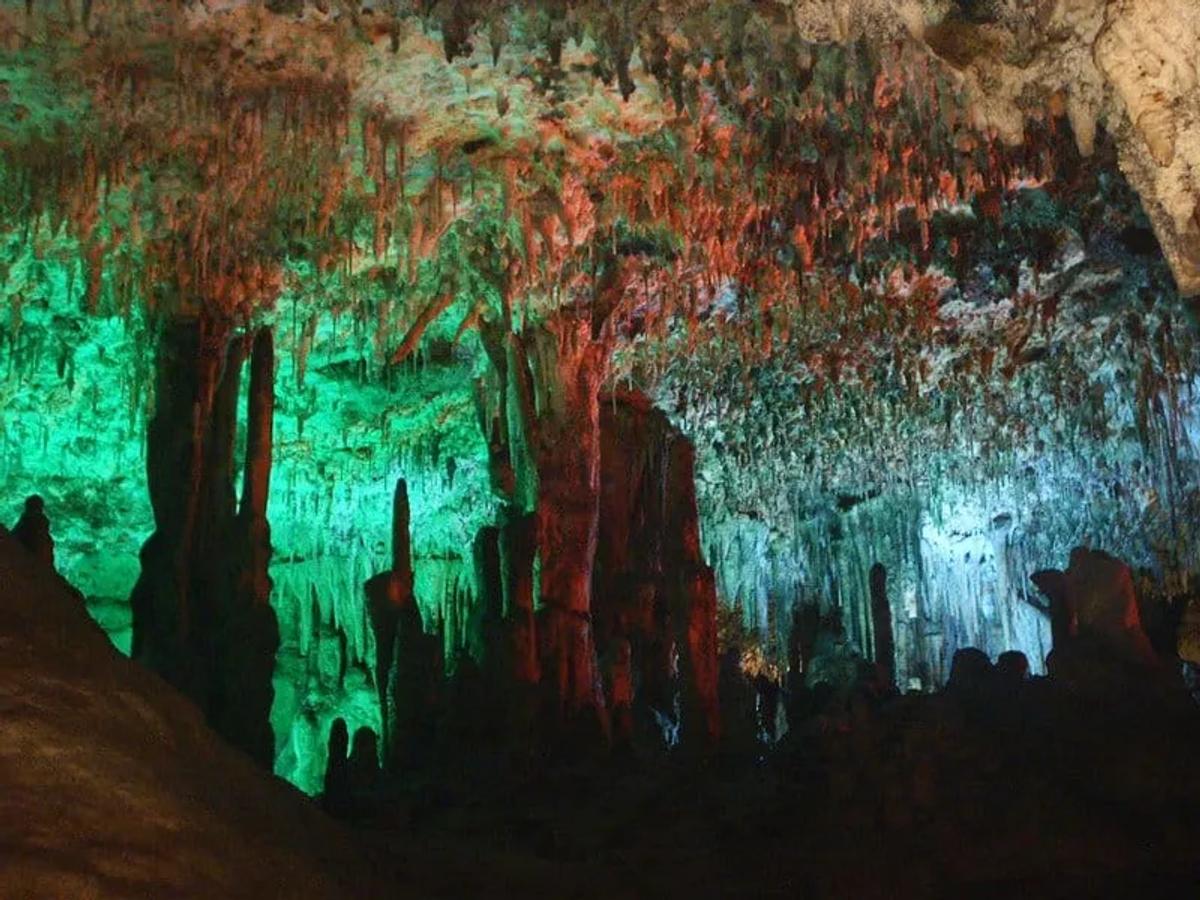
6. Caves of Hams (Cuevas del Hams or Coves d'es Hams), Porto Cristo
Less well known than Drac, but worth a visit for the spectacular and colourfully lit stalactites and stalagmites as well as the underground lake. The caves were discovered in 1905 by the Mallorcan Pedro Caldentey and immediately became one of Mallorca's most important sights.
Florian Plag
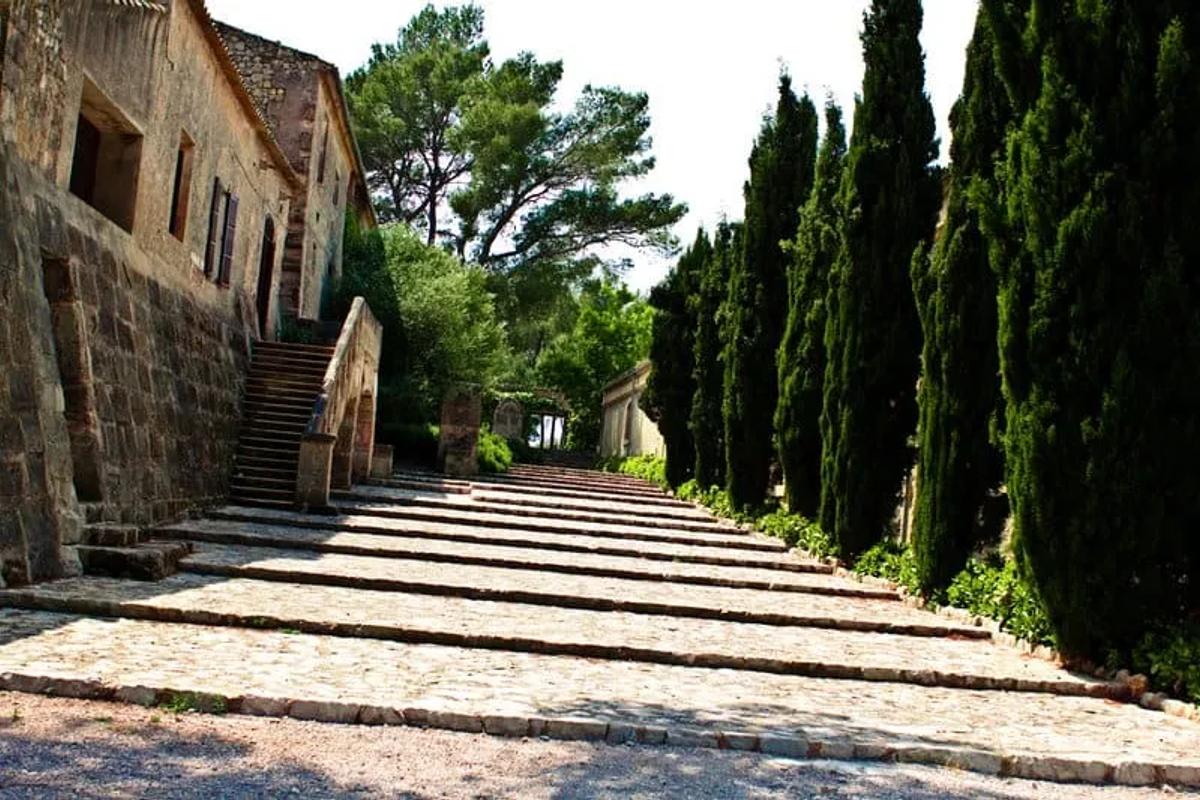
7. Els Calderers, Sant Joan
The estate belonged to the Calderers family as far back as the 13th century, and construction of the manor house is thought to have begun in 1750. Visit the house and the farm to get a sense of aristocratic life in Mallorca in the 18th and 19th centuries. The interior of the house, with its traditional furnishings and fittings, is fascinating.
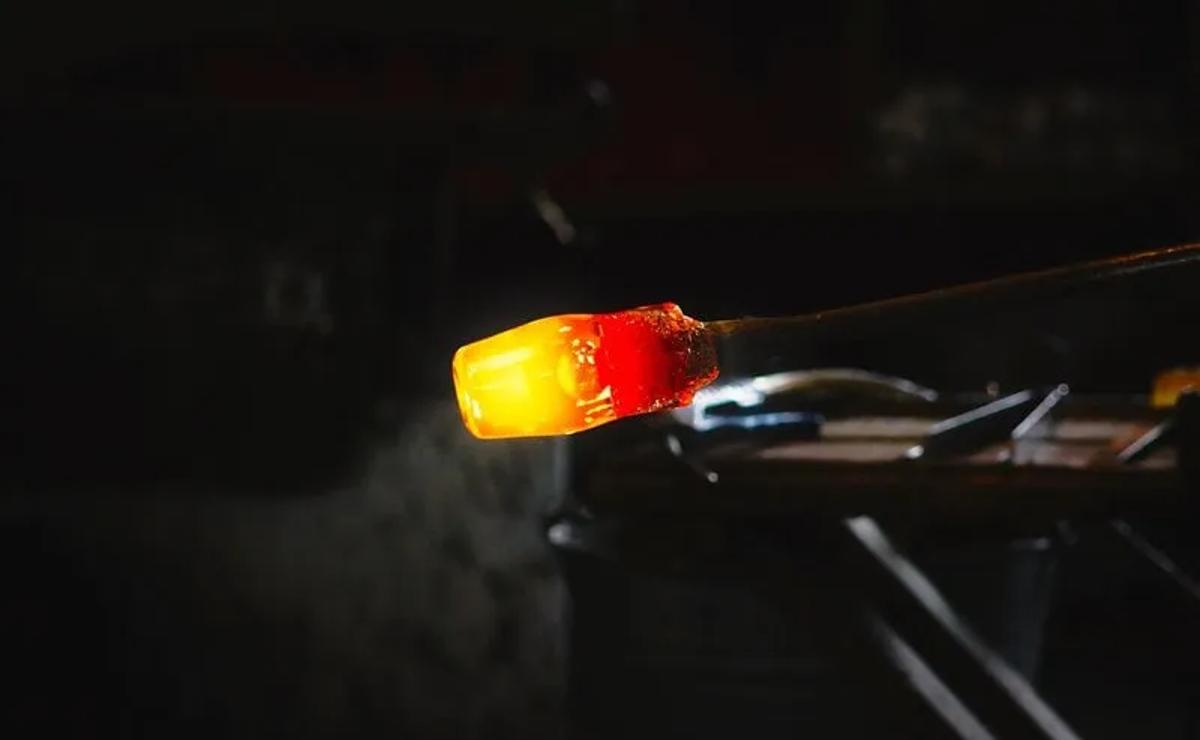
8. Gordiola Glassworks
The Gordiola family has been making glass in Mallorca since the early 18th century, and at the works near Algaida you can watch the glassblowers at work in front of the furnaces. The building is an ugly 1960s castle and the shop area is very commercial, but on the upper floor of the museum you'll find one of Mallorca's most enchanting sights: a fascinating collection of antique glass, including early Gordiola pieces and glassware from all over the world, gathered by several generations of the family. You certainly wouldn't want to have to dust the exhibits!
Danyel André
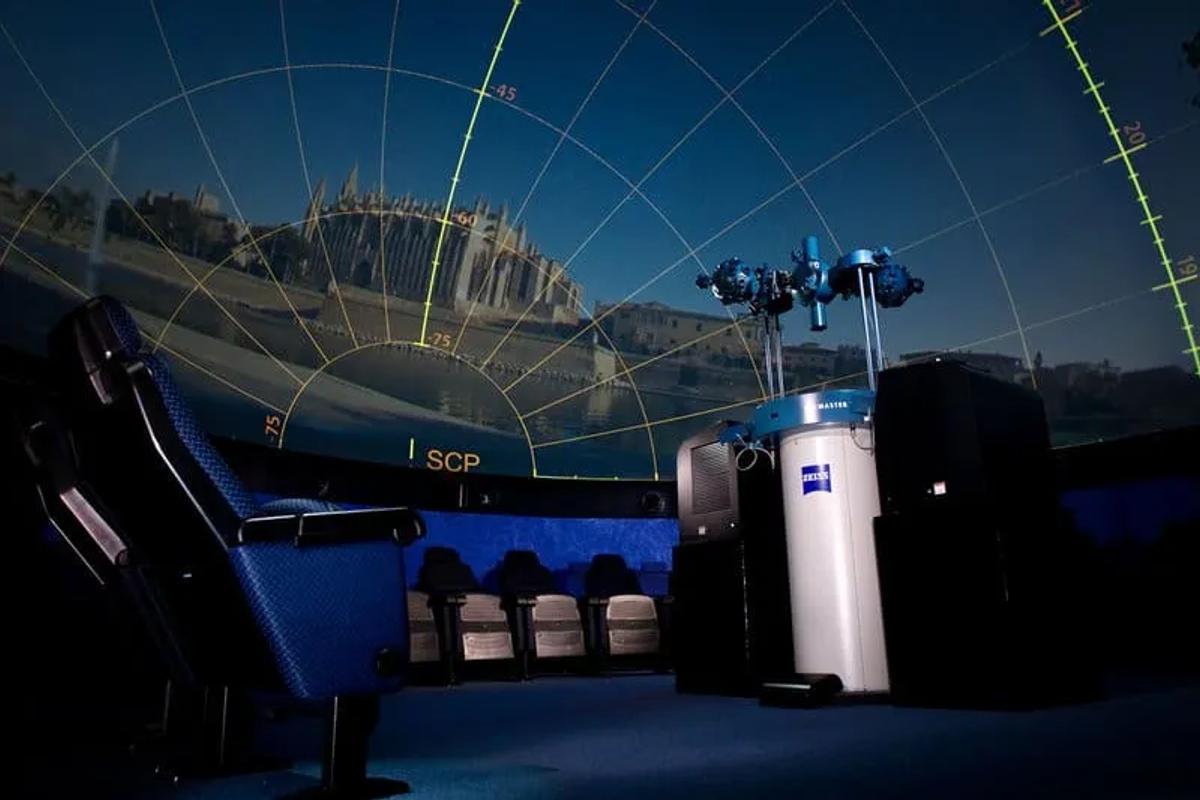
9. Mallorca Planetarium
Many visitors don't realise that the island has an astronomical observatory, which also includes the Mallorca Planetarium. The premises of the Observatorio Astronómico de Mallorca have a distinctly space-age look, quite in contrast to the sleepy neighbouring village of Costitx, but the rural setting is a real advantage for the clear night sky. On Fridays and Saturdays at 7.00 pm, the planetarium projects the spectacular multilingual audiovisual programme "Evolution" onto the domed ceiling. On other days you can join guided sessions in the observation booths.
Adam Loader
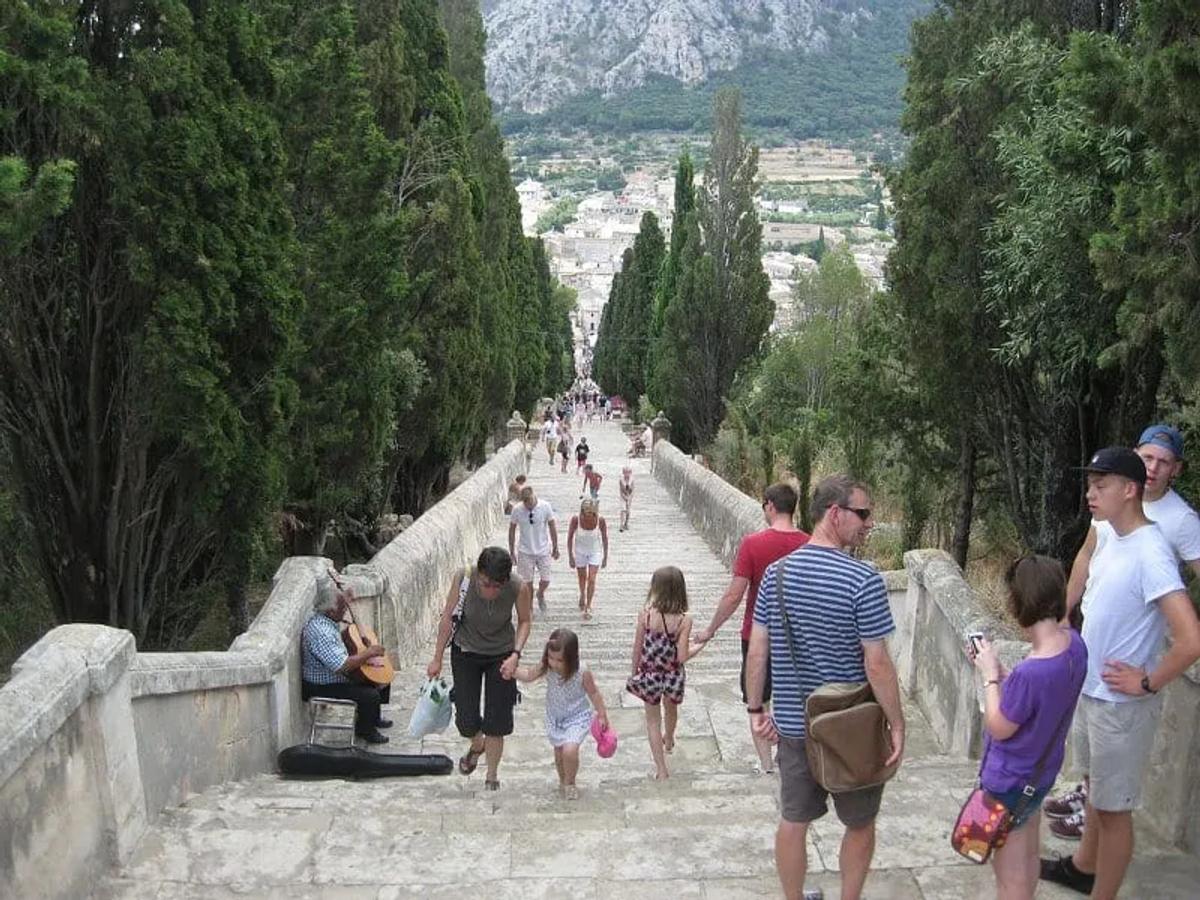
10. Calvary Oratory, Pollensa
Pollensa is a charming little town with a striking Roman bridge, but its best-known site is probably the Calvary Oratory, set on a hill that once belonged to the Knights Templar. There are 365 steps to climb to reach the summit, where the atmospheric Good Friday re-enactment of Christ's final suffering on the cross takes place.
Miquel1004
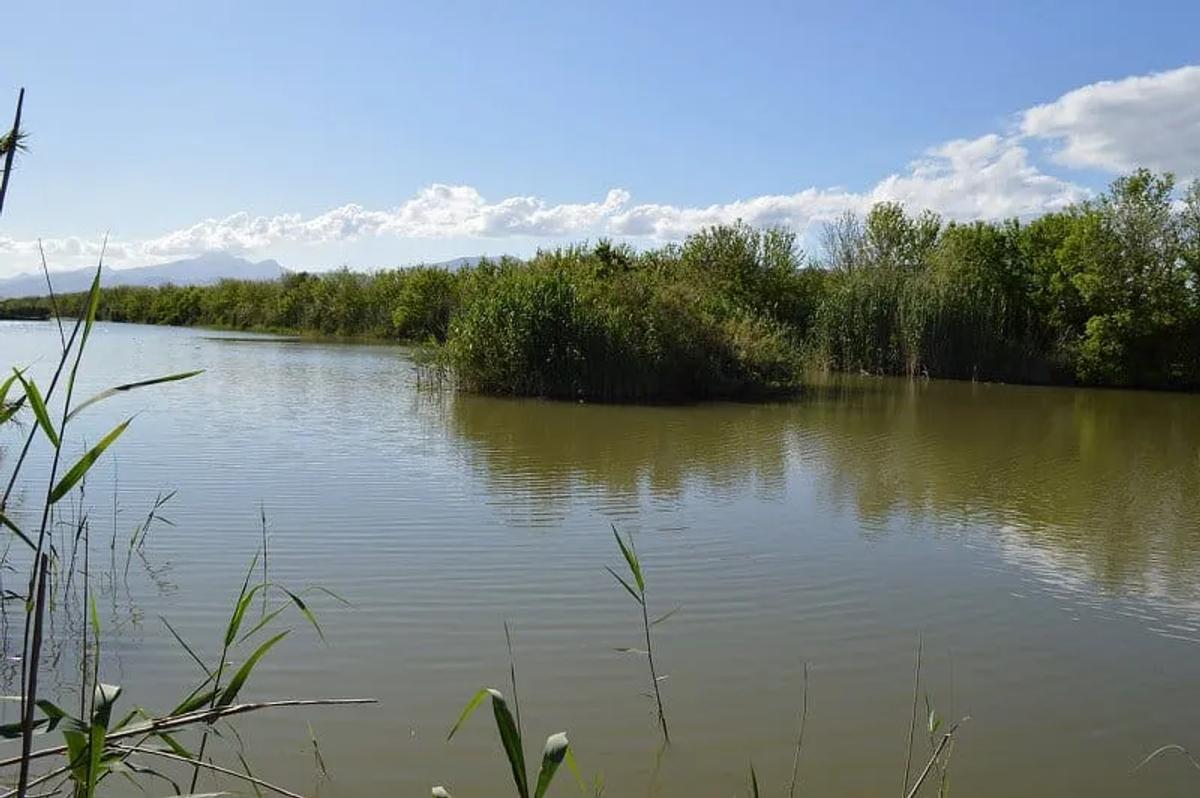
11. S'Albufera Nature Park
This tranquil, protected wetland on the coastal road north of Can Picafort is home to a rich variety of birdlife, attracting birdwatchers from all over Europe to observe the rare migratory and breeding species. There are walking and cycling trails, hides and a visitor centre. Insect repellent recommended!
Kufoleto
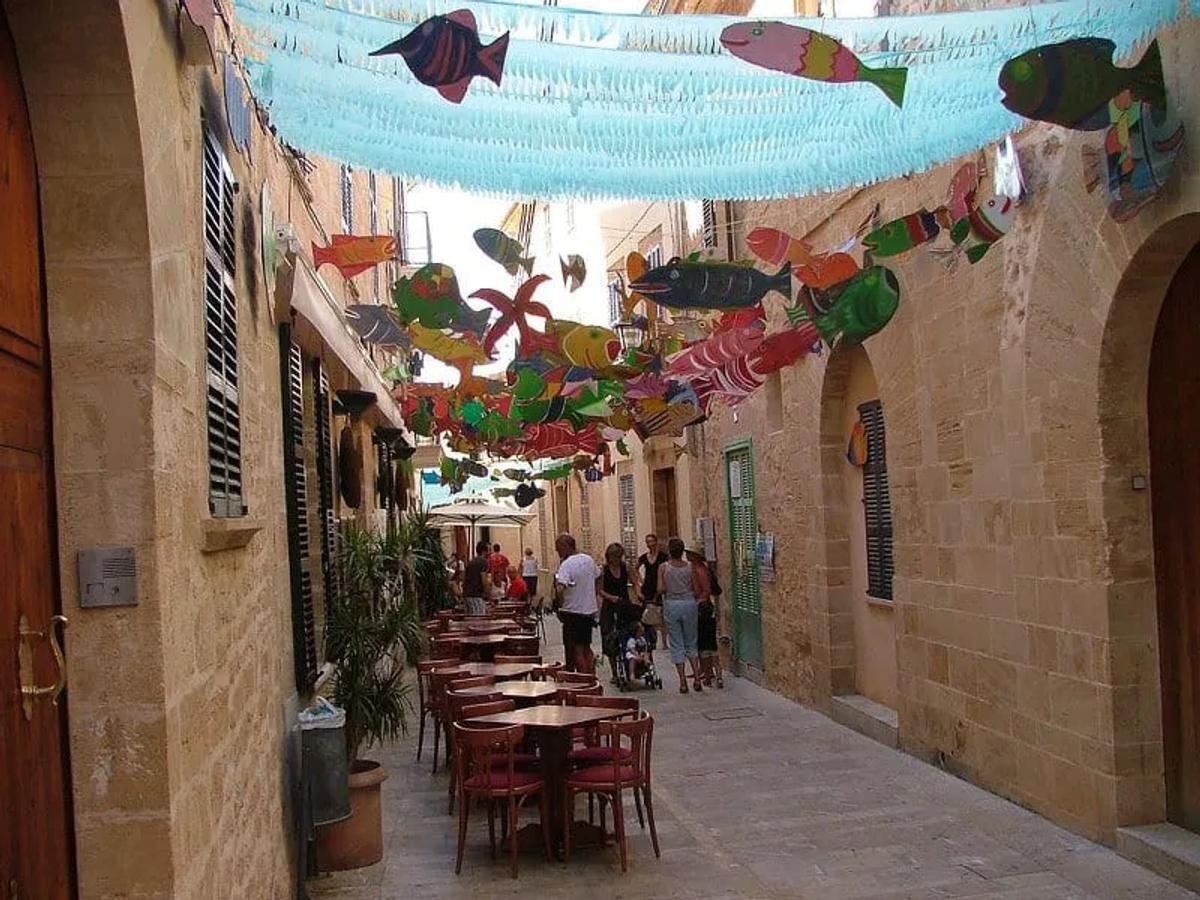
12. Alcúdia Old Town
After Palma, this small town is probably one of Mallorca's most important sights. A rich history means there is plenty to see in and around the walled old town, which stands on the site of the Roman settlement of Pollentia. The walls were built after the Spanish conquest and have been restored with their 26 original towers and imposing gates; you can walk along the top of the walls and enjoy a fine view of the area. Of particular interest are the narrow streets of the Arab quarter, the ruins of Pollentia and the only intact Roman theatre in Mallorca.
Derbrauni
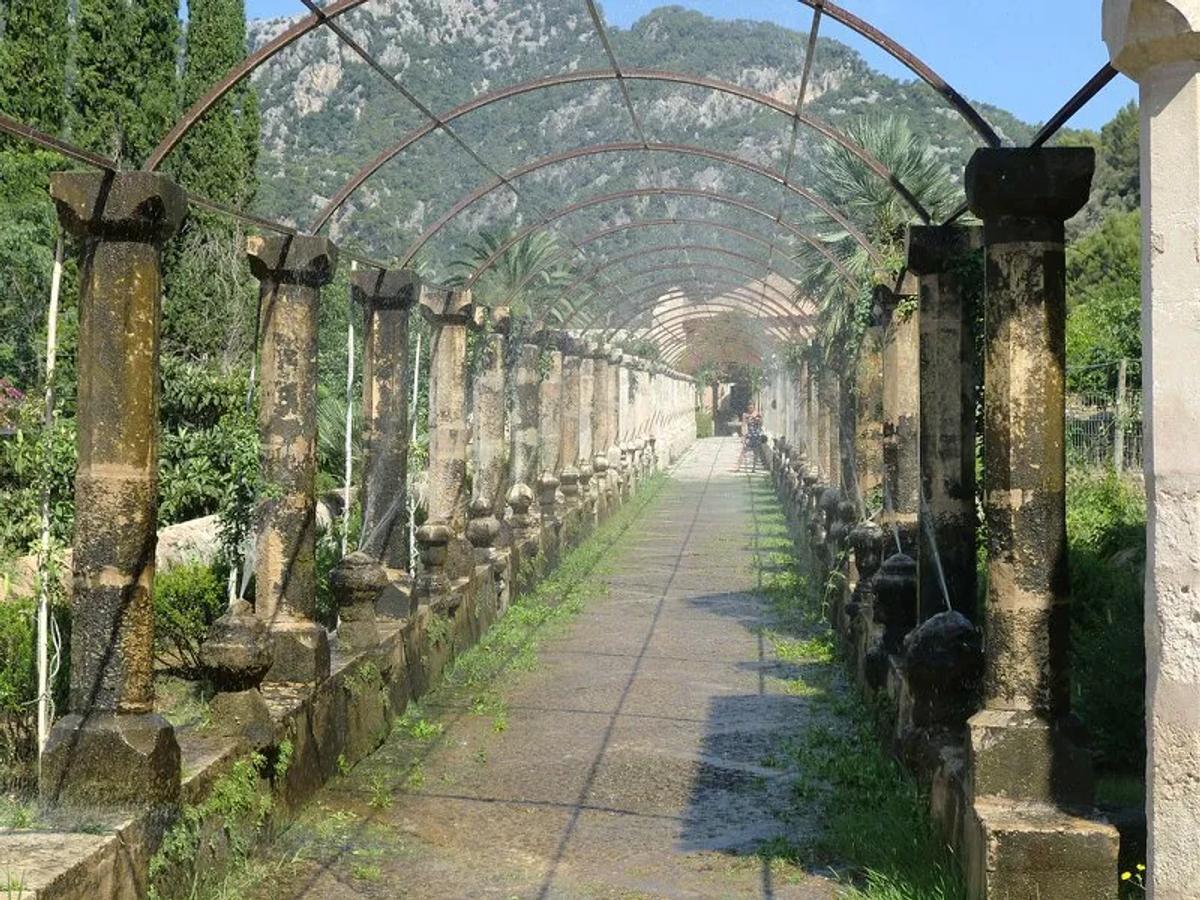
13. Alfàbia Gardens
These peaceful gardens with watercourses and ponds are said to have been laid out by Benhabet, a Muslim governor of Inca in the 13th century, and are a wonderful example of the Moorish gift for landscaping and irrigation. Even if you're not a keen gardener, you'll appreciate the lovely shady spots on hot days and the garden bar with fresh fruit juices, farm produce and other refreshments.
The pergola with its water jets is great fun for the whole family, who can enjoy the English gardens and the impressive collection of trees. The "hacienda" is furnished with traditional fabrics, antique prints and furniture.
Olaf Tausch
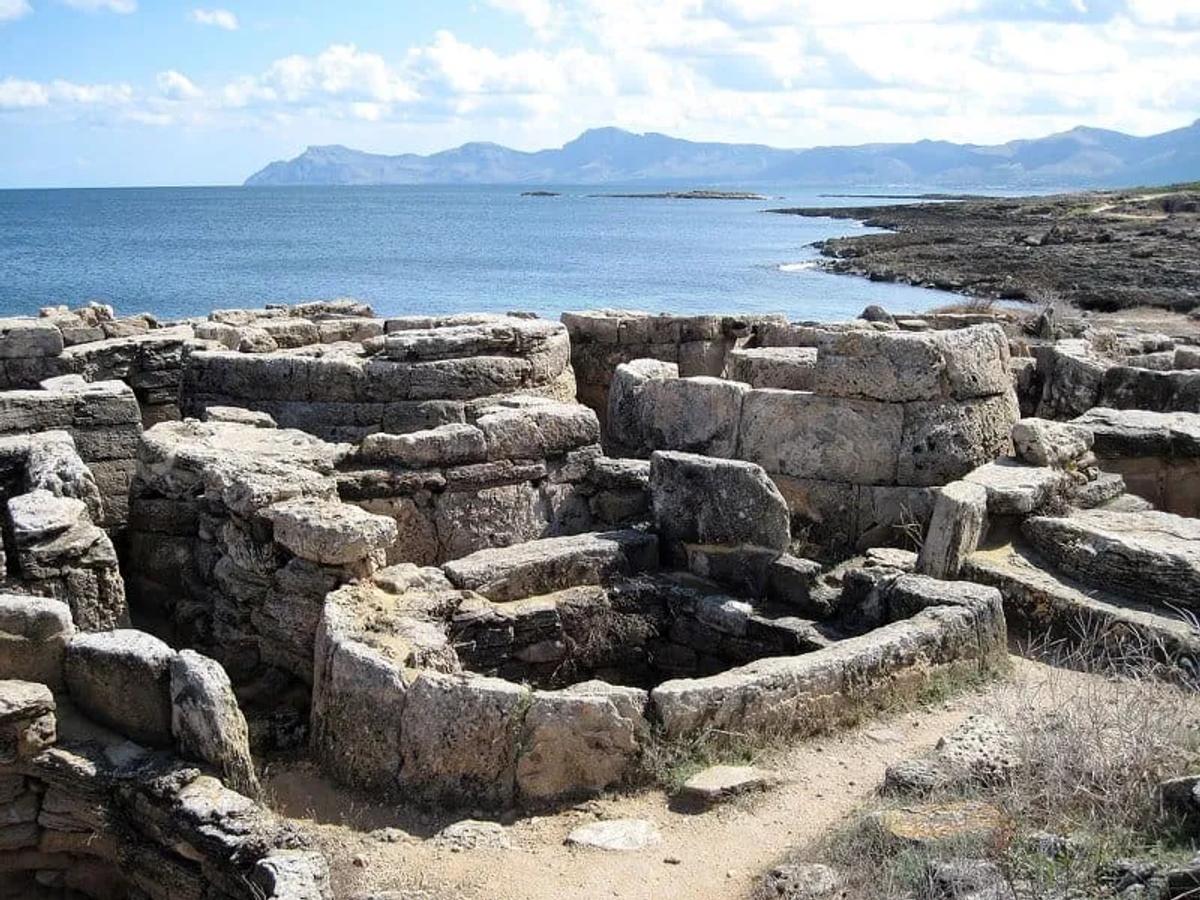
14. Finca Son Real
This public finca lies between Picafort and Son Serra de Marina and offers a number of waymarked walking and cycling trails through the estate, with access to an unspoilt beach. Along the paths there are useful information boards about the local flora and fauna, as well as a visitor centre. The farm is fully operational, and you can see native breeds of sheep and pigs there. From the beach it's an easy walk to the remains of a necropolis, home to numerous graves of varying sizes.
Oriol Saborit Estrada
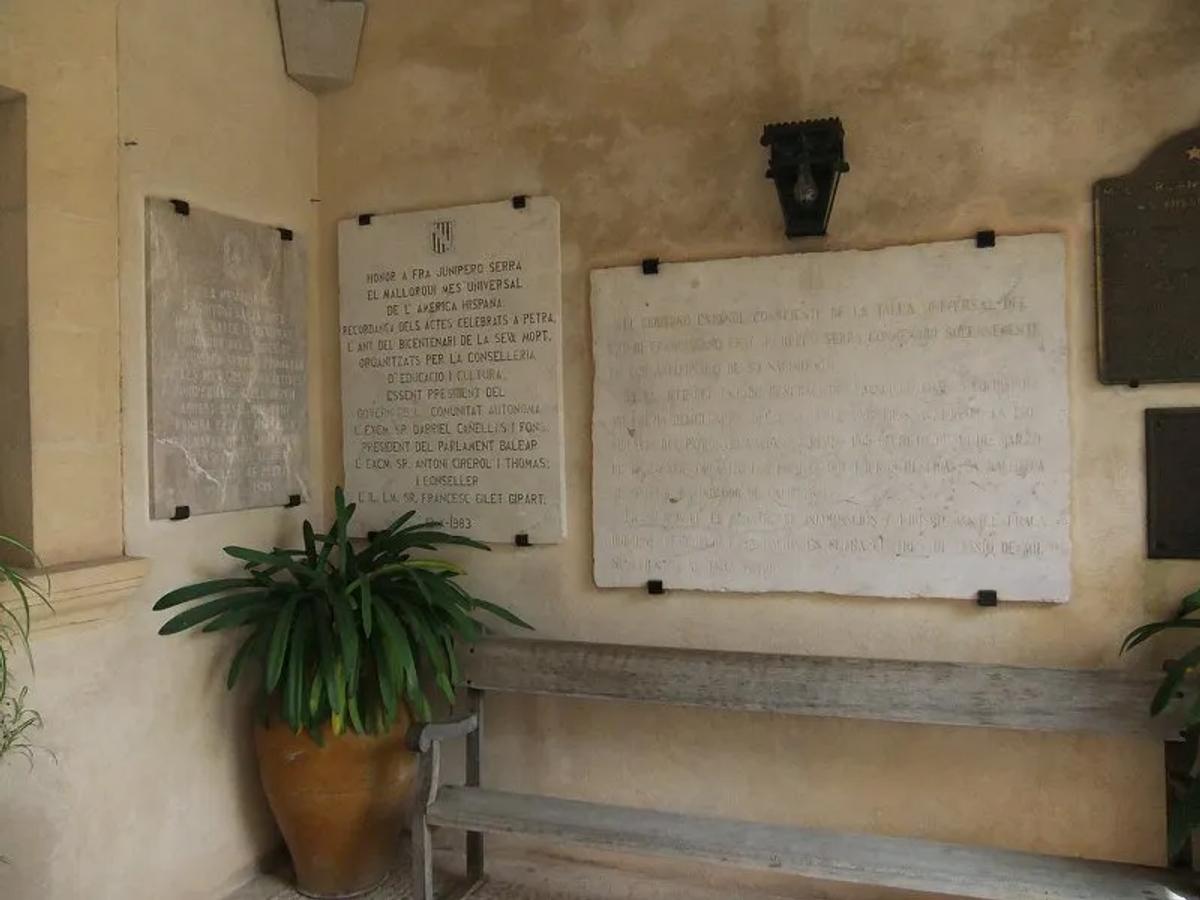
15. Birthplace and Museum of Junípero Serra, Petra
It's no surprise that many American visitors come to the oldest part of the village, for this is the birthplace of Fray Junípero Serra, the 18th-century Franciscan missionary. He founded several missions that grew into cities such as San Francisco and San Diego. The private museum, established in 1955, has a fascinating collection of exhibits, including a painting of the San Carlos Mission, presented to the museum by President Ronald Reagan in 1984. Nearby you can visit Serra's birthplace, dating from 1713 – a very modest house.
Frank Vincentz
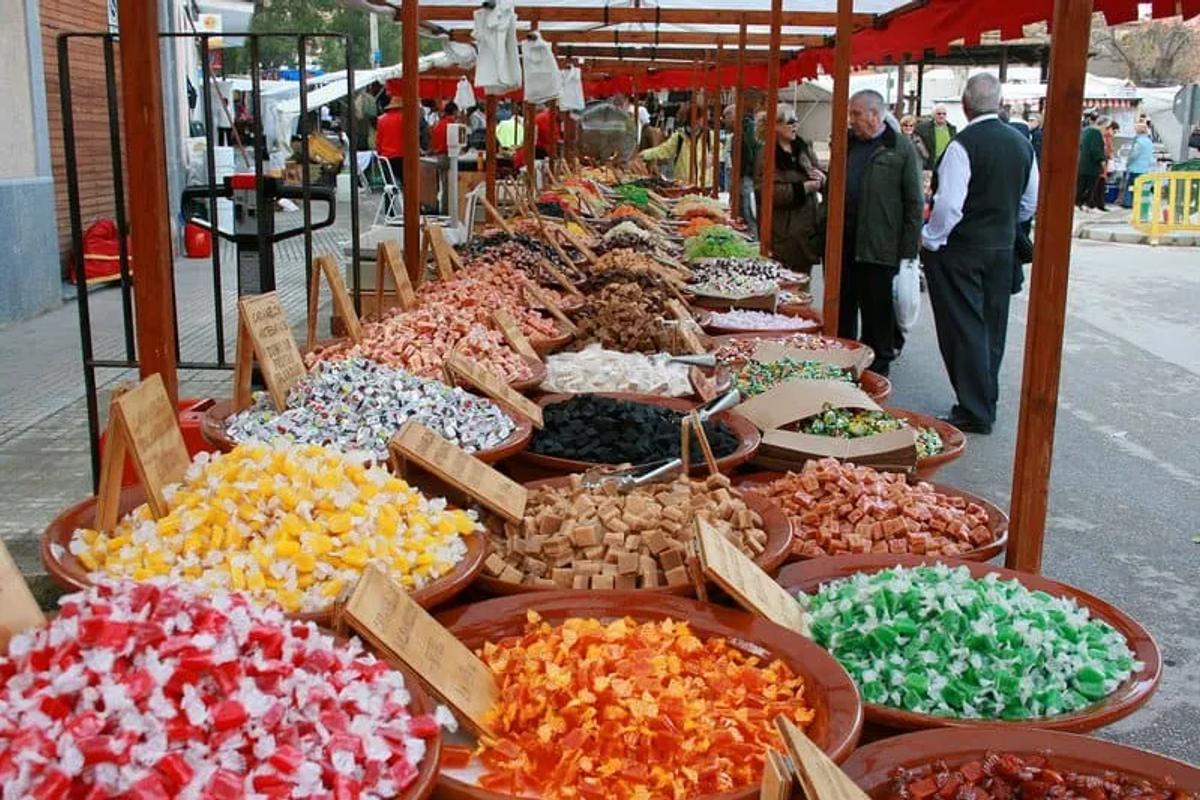
16. The Market of Sineu
This rural place at the heart of Mallorca dates back to ancient times and was very popular in the Middle Ages, when it was home to a royal palace (now a convent). The town is the setting for a huge and very popular market on Wednesday mornings, drawing visitors to the island and to local agriculture. Numerous stalls – from leather goods to local produce and crafts and even animals – spread out along the town's narrow streets. Definitely one of the things to see in Mallorca.
Frank Vincentz
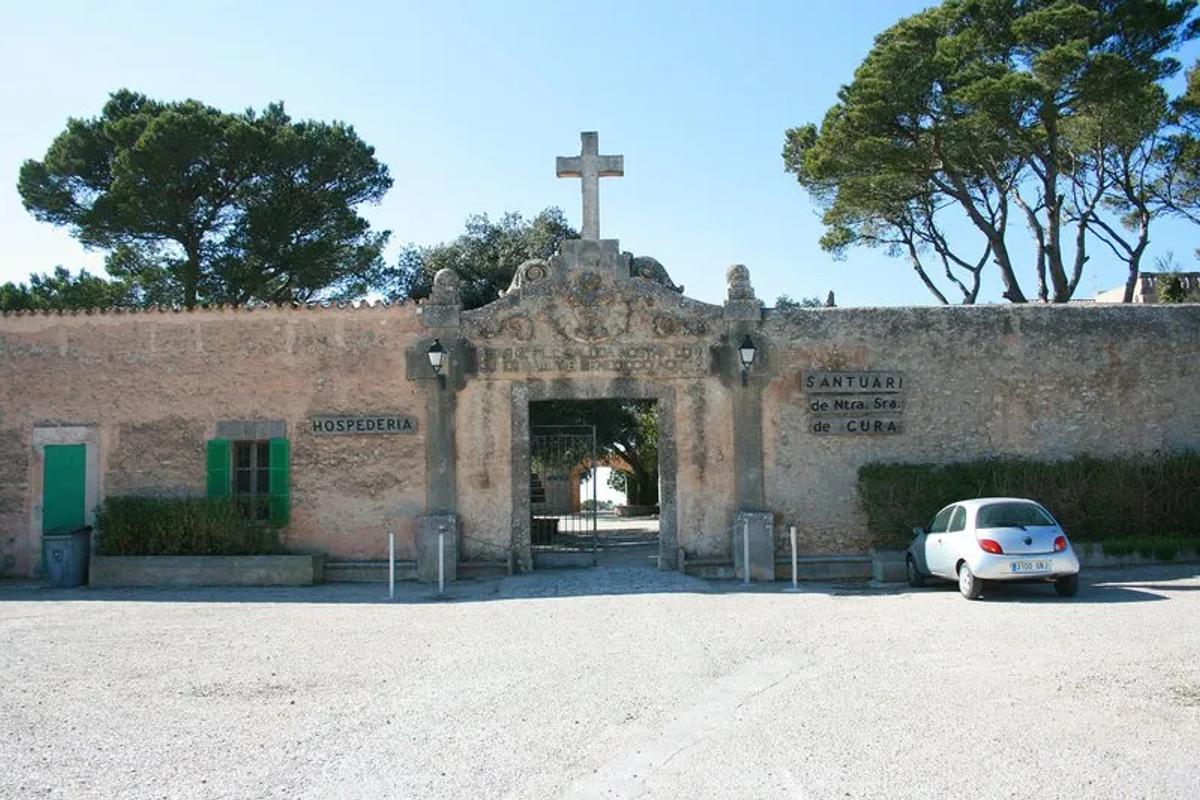
17. Puig de Randa – Hermitage of the Virgin of Cura
This walled hermitage sits on the striking flat-topped mountain of Randa, visible from a large part of the island. The chapel is the oldest surviving building, dating from the mid-17th century. The original hermitage was founded by the scholar and missionary Ramon Llull in the 13th century (he prepared his missionaries for their work in Africa and Asia), which made it one of the island's most important places of pilgrimage. The view from up there is fantastic on clear days, and you can enjoy it while eating or drinking something in a café.
Other sanctuaries well worth a visit – for the exhilarating drive to the summit and the breathtaking views on a clear day – are Sant Salvador (the first to lose its monks, in the 1990s), north of Felanitx, Monte-Sion, north of Porreres, and the Ermita de Nostra Senyora del Puig, north of Pollensa.
Isiwal
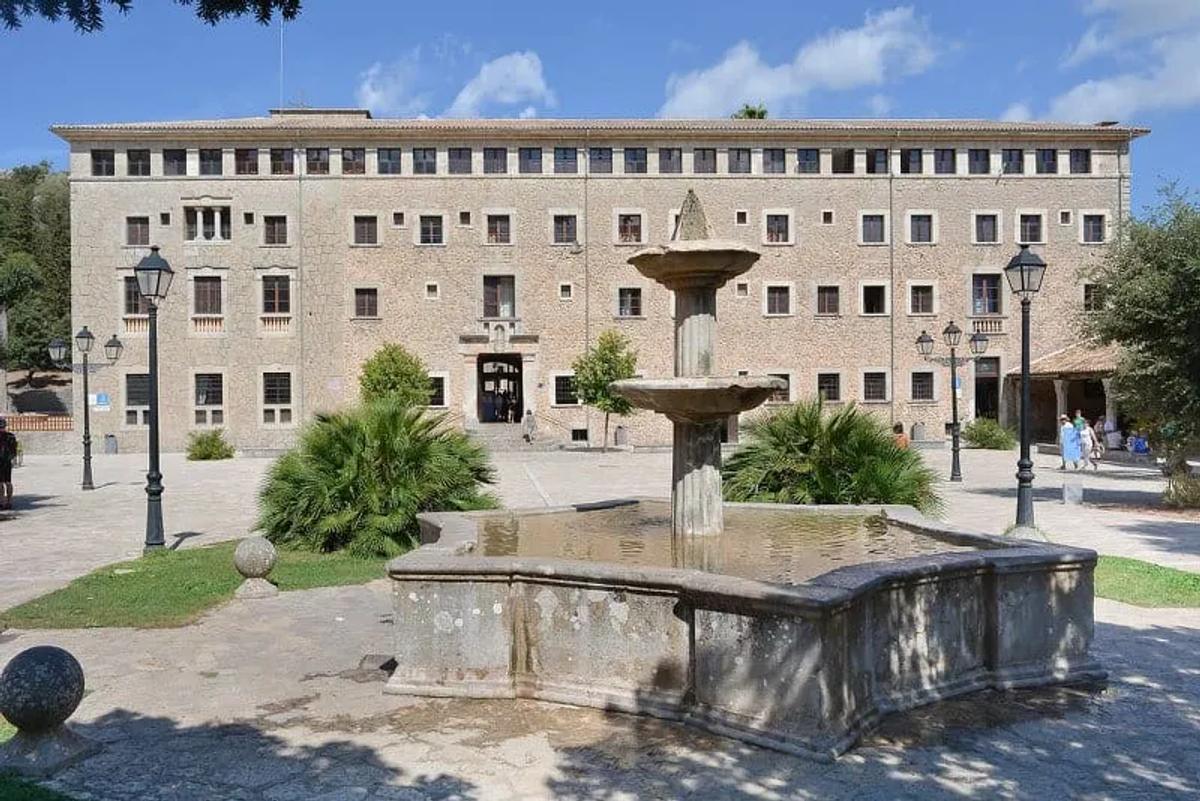
18. Lluc Monastery
The island's holiest site, the Monastery of Nuestra Señora de Lluc, lies spectacularly in the Tramuntana, surrounded by holm-oak and pine forests, and has been a place of pilgrimage since the 13th century. Visit the basilica and see the wooden statue of the Virgin La Moreneta in her own chapel. Another of Mallorca's sights is the gallery of the old pilgrims' hospice (Es Porxets), the pilgrims' path "El Cami dels Misteris del Rosari" and, somewhat tucked away, a charming little garden. You can eat and drink here and even stay overnight. "Els Blavets" (the Blues) is the Lluc choir, which gives a short performance in the morning.
museudesajugeta.es
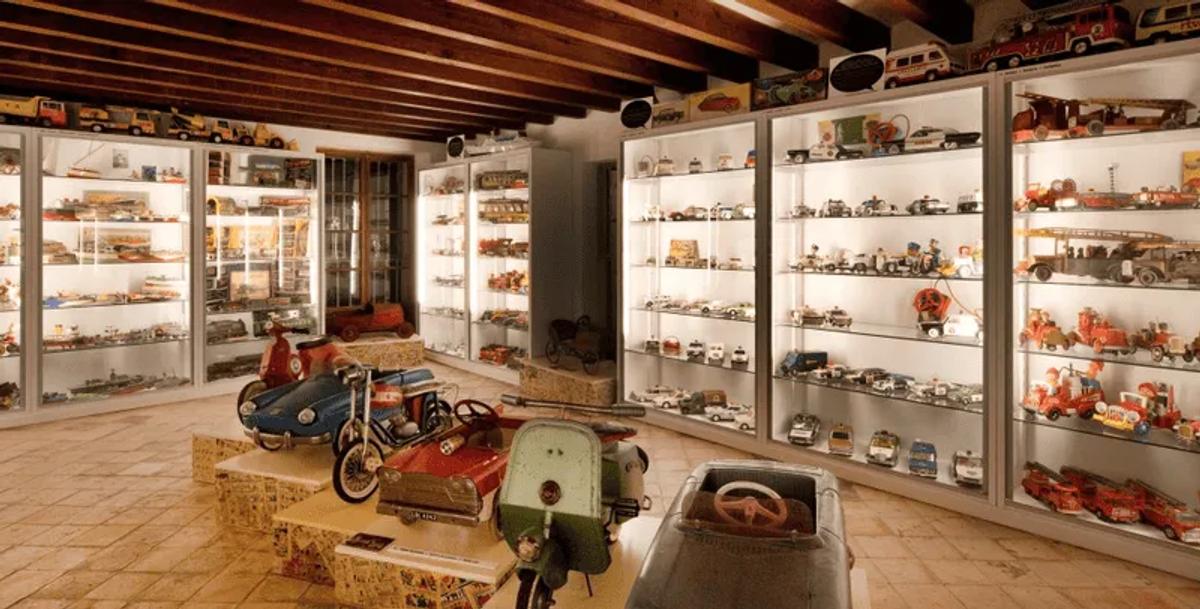
19. Museu de la Jugeta – Toy Museum, Sa Pobla
One of Mallorca's most curious sights is this renovated manor house, known as "Planes", which houses a fascinating toy museum stocked with more than 3,000 antique toys to delight every child among the visitors.
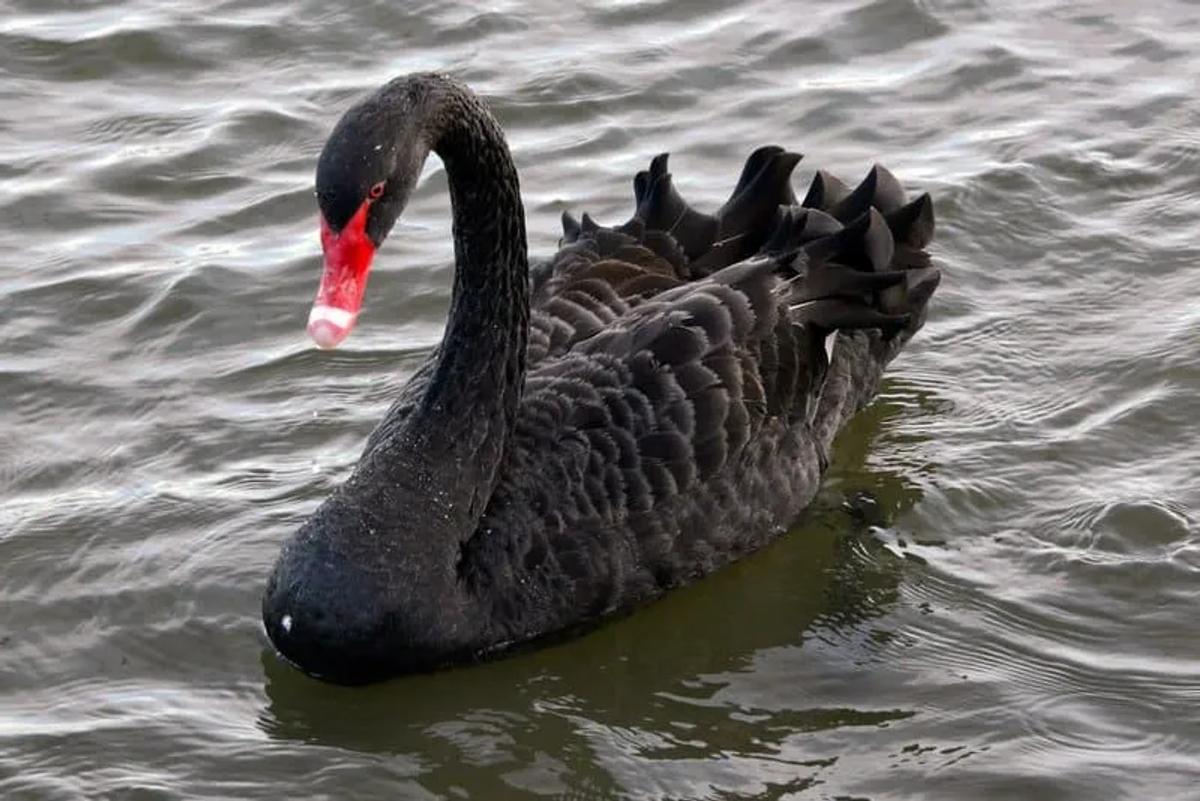
20. Naturaparc, Santa Eugènia
Llamas, deer, ostriches, ducks, peacocks and black vultures populate this rural family attraction. There is also a butterfly garden with 500 butterflies and a petting area for animals.
killer_queen1
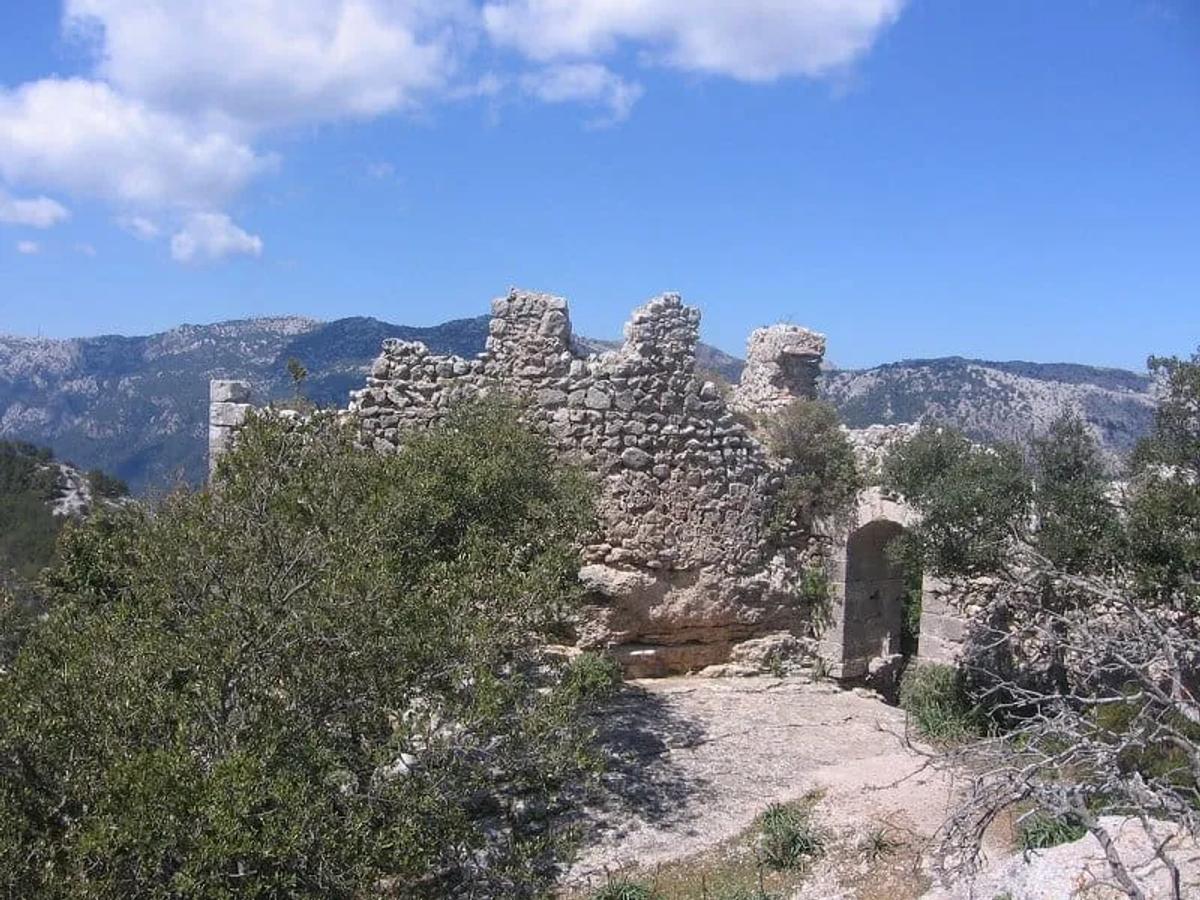
21. Castell d'Alaró
This centuries-old, remote castle was the finest and most impregnable Moorish fortress. Park your car in front of the whitewashed traditional restaurant (famous for its slow-roasted lamb, featured on the British TV show Rick Stein's Mediterranean Escapes) and walk up to the castle (wear walking shoes and take water with you – it's quite a climb!). When you come back down, you'll have well and truly earned your hearty lunch.
Andrés Nieto Porras
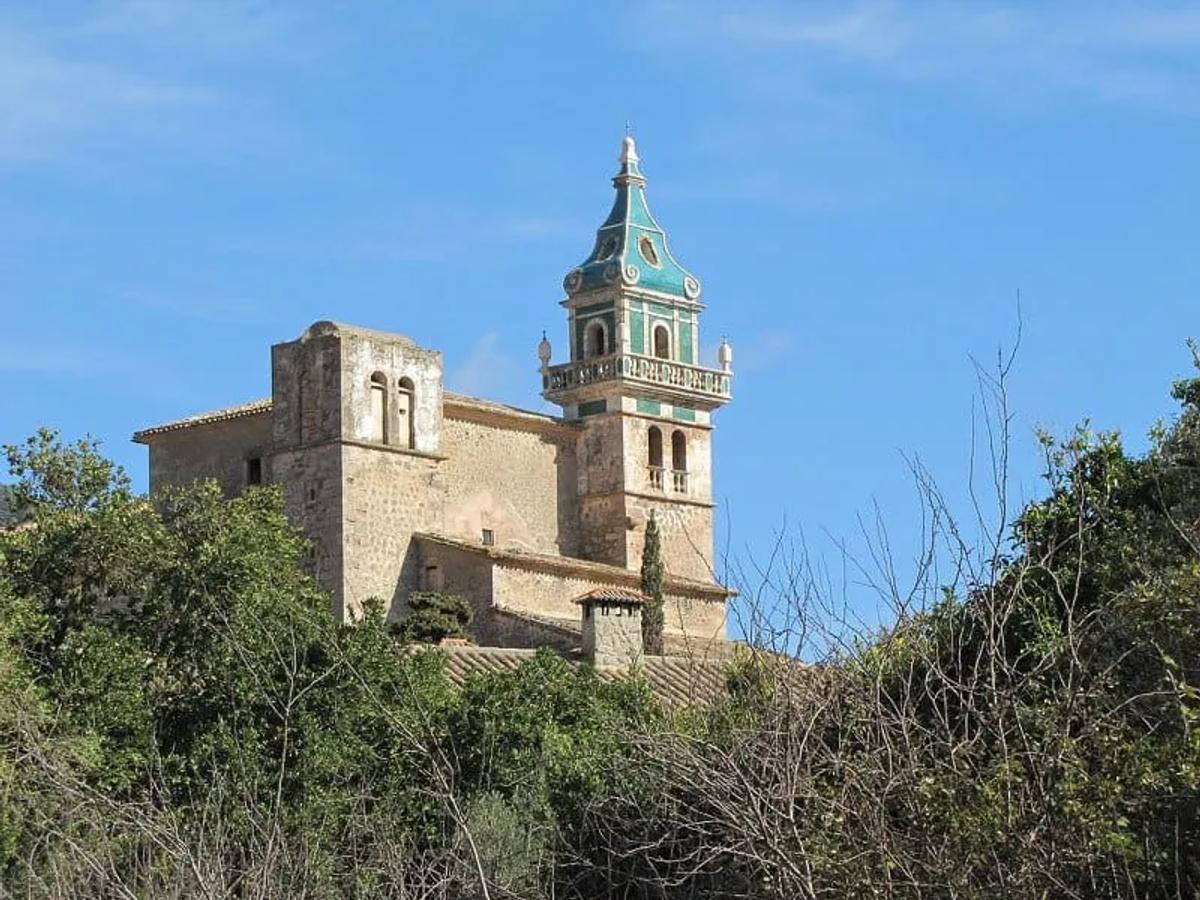
22. Royal Carthusian Monastery, Valldemossa
Originally a royal residence, the monastery was home to Carthusian monks from the late 14th to the early 19th century. The Polish pianist and composer Chopin and his French companion George Sand spent the winter of 1838–39 here, inspiring Sand's work "A Winter in Majorca". The artefacts, the old Carthusian pharmacy and the palace of King Sancho are well worth seeing. You can also enjoy a short Chopin concert as part of your visit.
Valldemossa itself deserves a place on this list
Luccio1973 WC
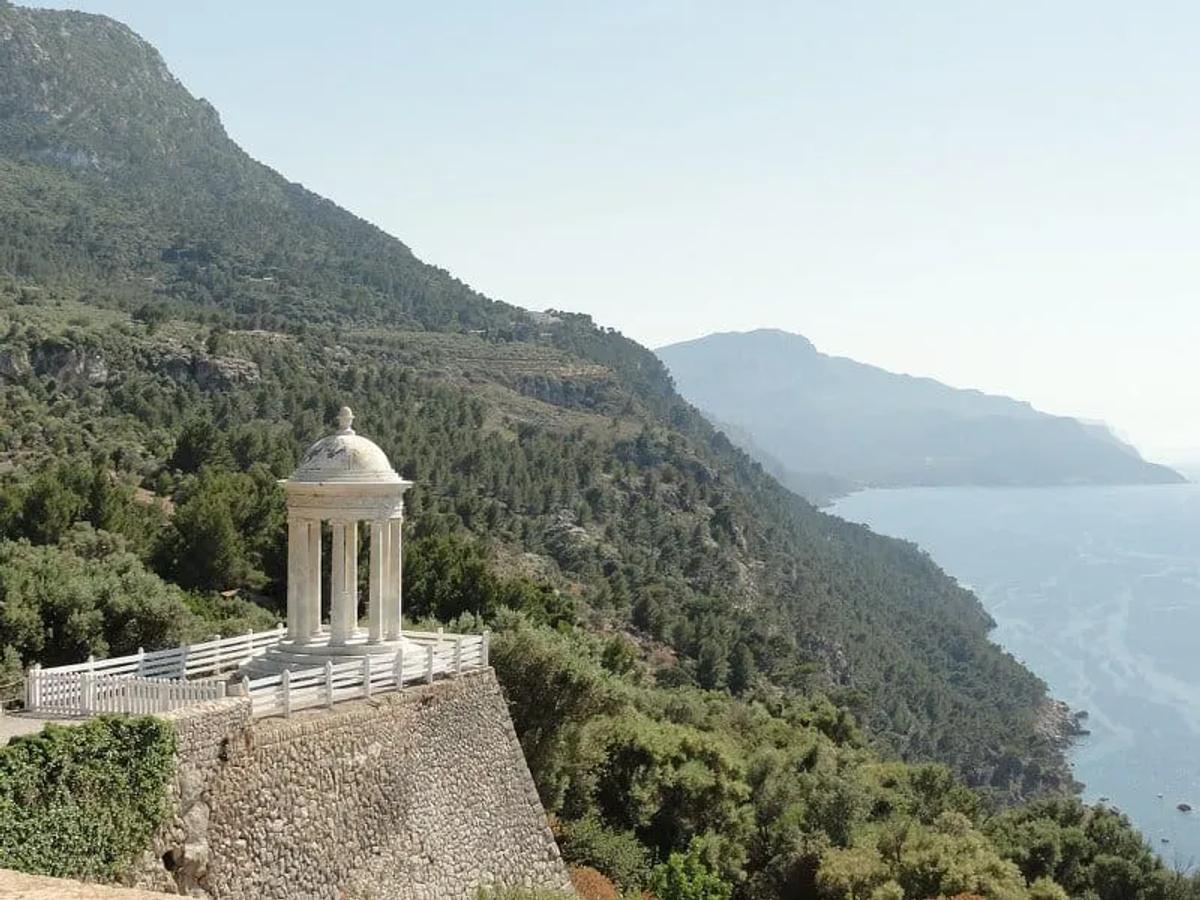
23. Son Marroig
Son Marroig, the favourite home of Archduke Ludwig Salvator, occupies a prime location high above the sea. The Italian pavilion is the landmark of this magnificent estate, which houses a museum dedicated to the life and work of the Archduke. From the gardens you have a fine view of the Foradada rock, named after the great hole in its centre.
Gargola87
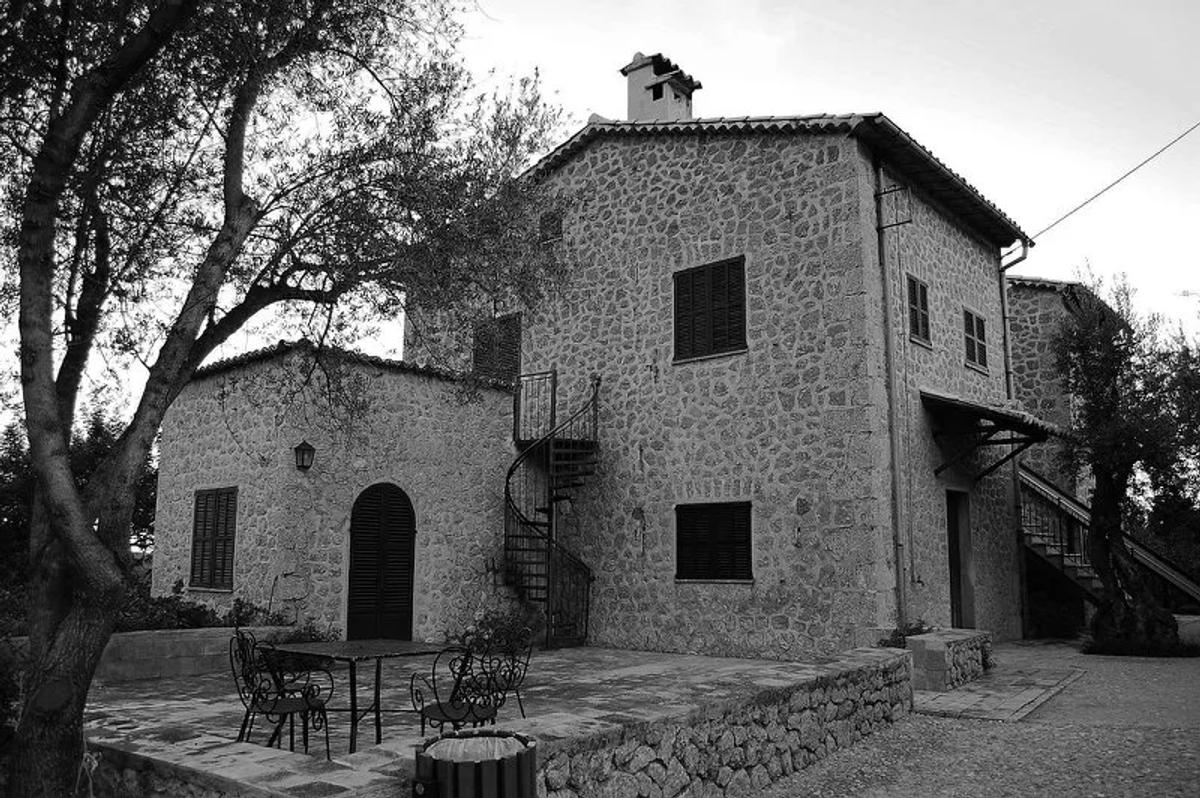
24. Home of Robert Graves, Deià
The poet and writer Robert Graves lived at Ca'n Alluny in Deià from 1929 until his death. In 2006 his house and garden were opened to the public after being acquired and renovated by the Fundació Robert Graves. The house preserves the atmosphere of the writer's home, where many of Graves's personal belongings are on display. Visit the village cemetery to see where he was buried, beneath the simplest of headstones. Ctra Deià – Sóller, Deià
In the centre of town, the iconic estate, which remained in family ownership until 2006, now houses a permanent collection of modern art with works by national and international artists such as Picasso, Miró, Matisse, Magritte and Chillida. There are also temporary exhibitions and an art library. The gardens are used for concerts and other cultural events.
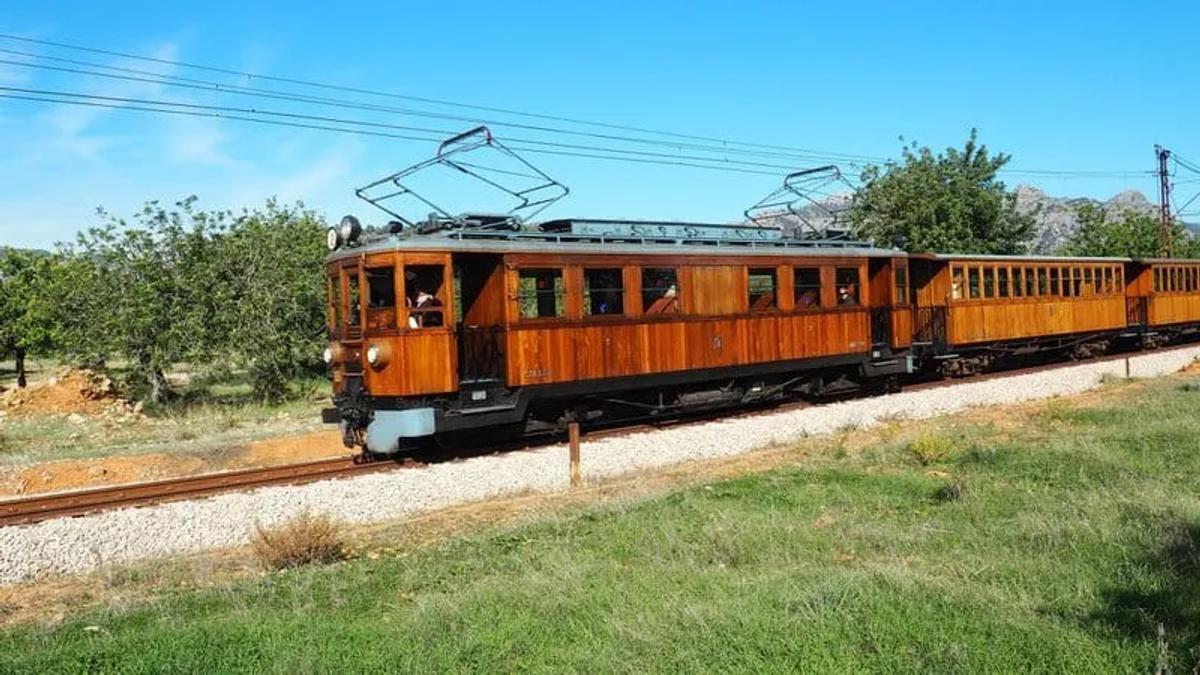
25. Tren de Sóller
The journey from Palma to Sóller aboard the pretty wooden train from 1912, known as the Orange Express, gives you the chance to experience another of the island's most popular attractions as it travels through the spectacular mountain landscape of the Sóller valley.
Christoph Strässler
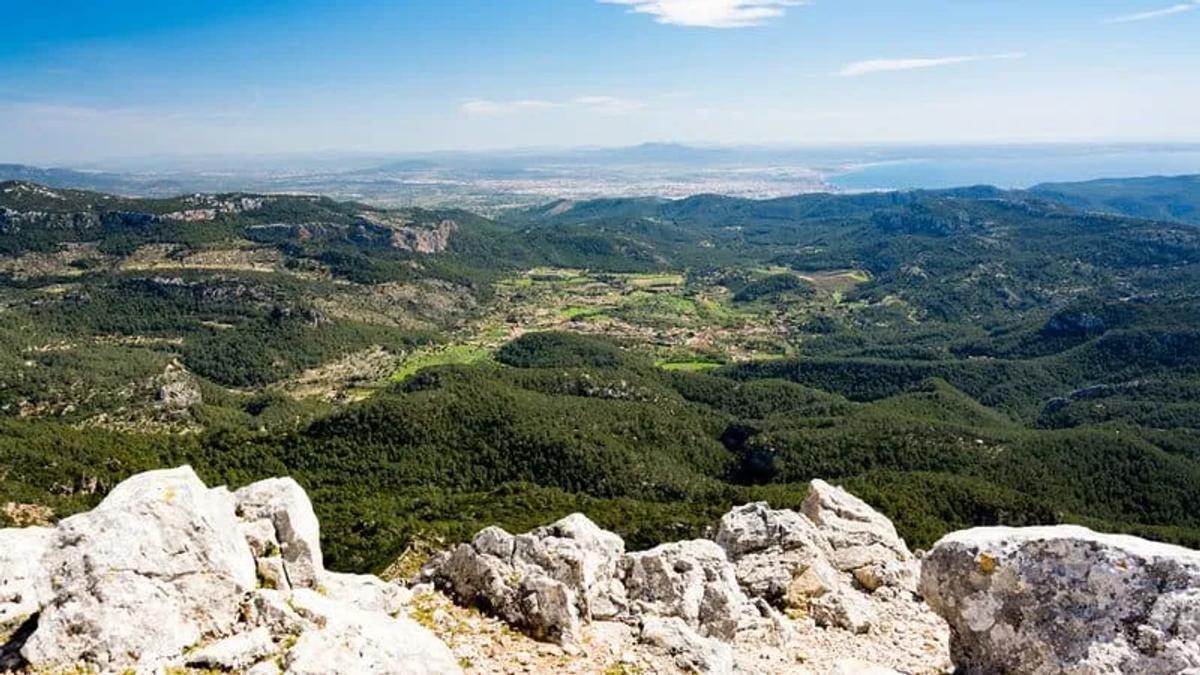
26. La Reserva Puig de Galatzó
This nature reserve covers more than 2.5 million square metres and is a wonderful place to hike through spectacular scenery and vegetation. Well-marked trails make for an easy walk, but you are advised to wear sensible footwear and comfortable clothing. There are waterfalls, animals, a bar and a barbecue area as well as an adventure course with zip line, climbing, suspension bridge and more.
27. Finca Galatzó
Like Son Real in the north, this finca too has been converted into a public facility. Many people come here to enjoy the scenery, the fresh air and the beauty of the surroundings, or to walk, cycle, mountain bike or ride along the well-maintained trails that run through the estate. The old manor house dates from the 19th century and can also be visited.
Fornax
28. La Granja
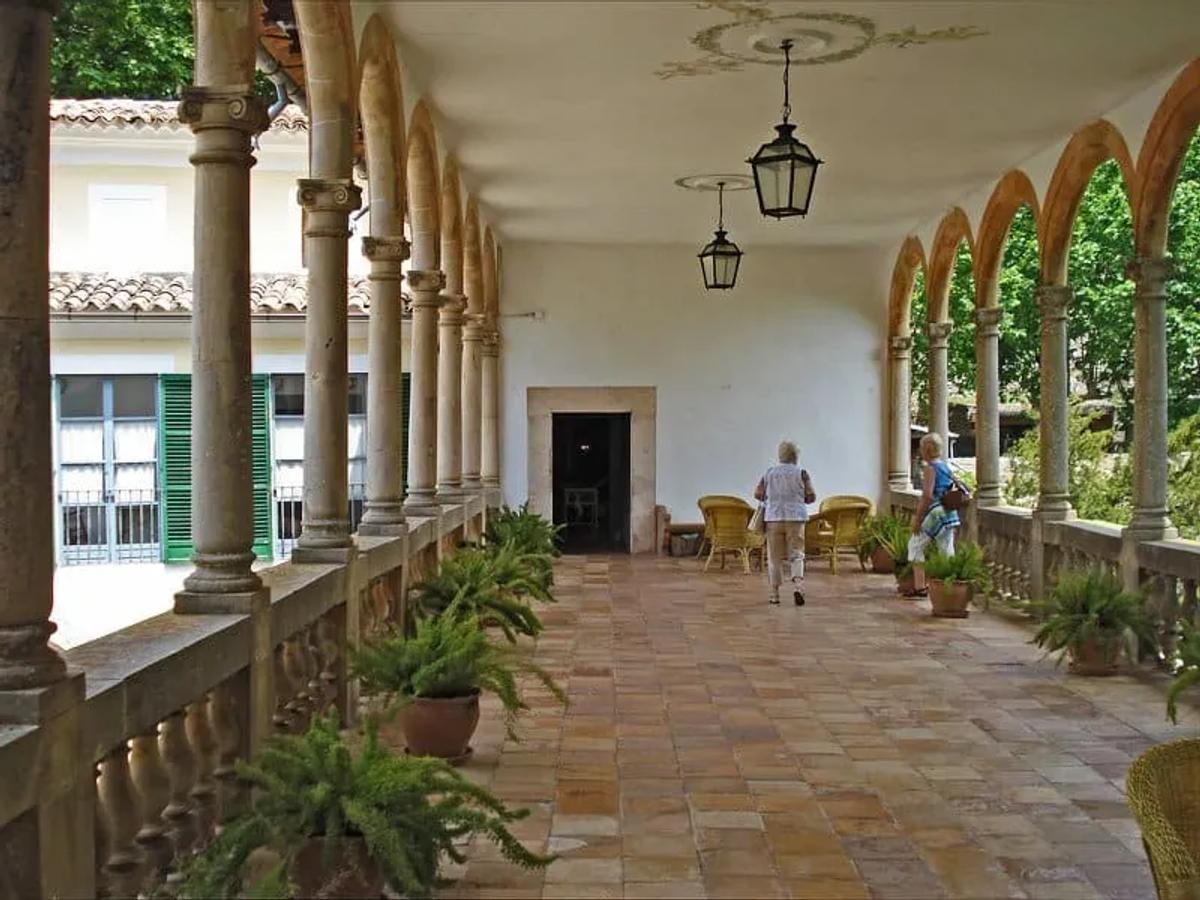
Since Roman times, this country estate in the mountains has been home to a natural spring – a precious asset on the island. The property was home to Cistercian monks until the mid-15th century and then became a private house. It is open to the public for visits and is a great place to see traditional rural crafts in action, sample local produce and enjoy demonstrations of Mallorcan music and dance. Visit the gardens, the house with its attractive, airy loggia, the workrooms, the cellars and the spooky torture chamber! You can eat or have a picnic on the extensive grounds.
CCAAndratx
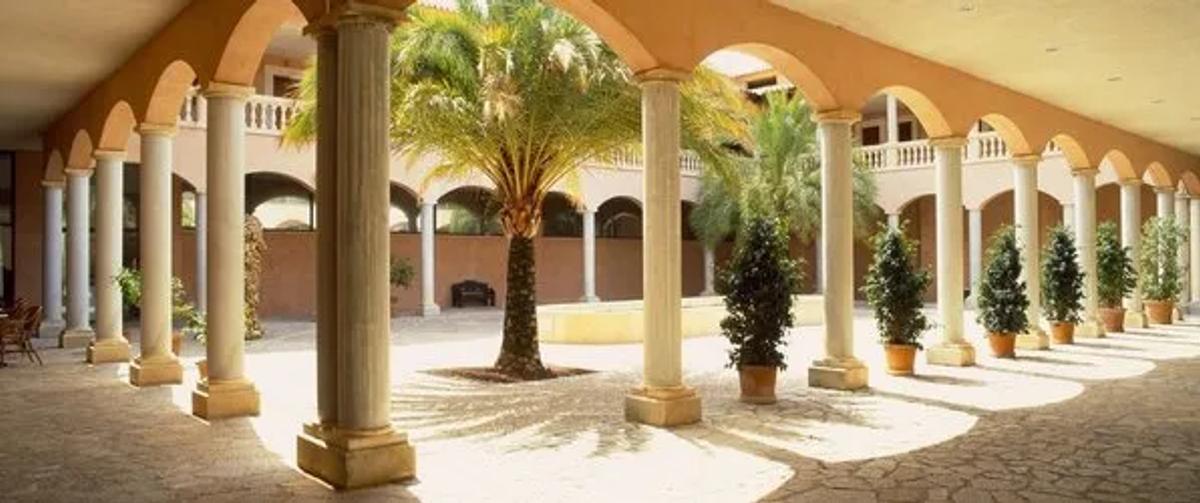
29. CCA Andratx
One of the largest contemporary art centres in the Balearics and in Europe, set amid the mountains on the edge of Andratx. There are three exhibition spaces – Kunsthalle, Galerie and Espai – a lovely inner courtyard, a good café with a terrace offering mountain views, a library and a souvenir shop. A must for lovers of contemporary art.
Mallorca's capital itself has a wealth of sights to offer, of which only a few are mentioned here:
secretpilgrim
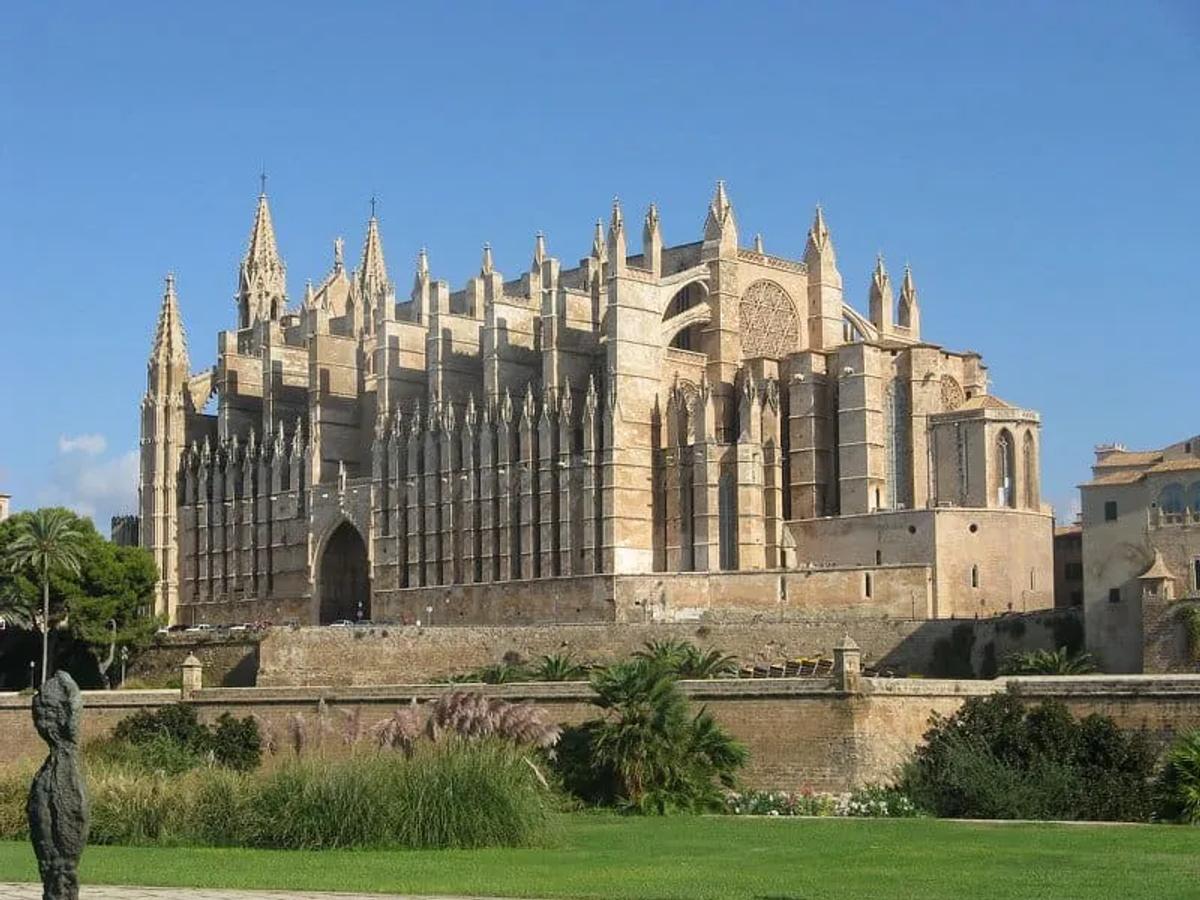
30. Sa Seu – The Cathedral
This iconic 14th-century cathedral is an impressive sight from the sea or the Paseo Marítimo. Work began in 1306 with the conversion of the mosque that had previously stood on the site, to create this very special place of worship. On a sunny morning, the great rose window in the nave casts coloured rays of light into the stately building, which also houses a museum. Inside you can see the works of the great Modernist architect Gaudí and the artist Miquel Barceló. Without doubt one of the most important things to see in Mallorca.
Reeta62
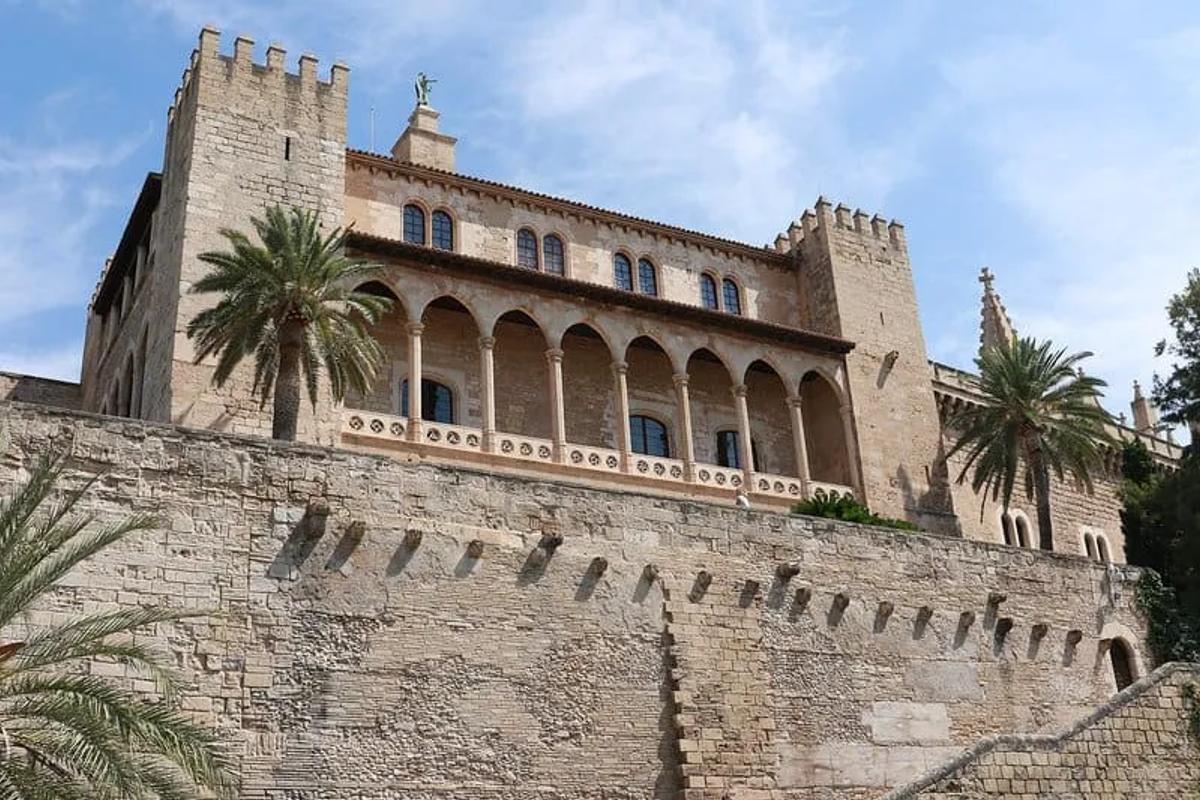
31. Almudaina Palace
An ancient palace that vies with Sa Seu opposite for visitors' attention. The stately stone palace, a blend of Moorish and Gothic styles, contains a central courtyard, a council chamber (with tapestries and coats of arms), an officers' mess, the King's and Queen's apartments, a chapel and a Gothic hall. The palace is not only a visitor attraction but is also used for official events attended by dignitaries and members of the Spanish royal family.
Martin Furtschegger
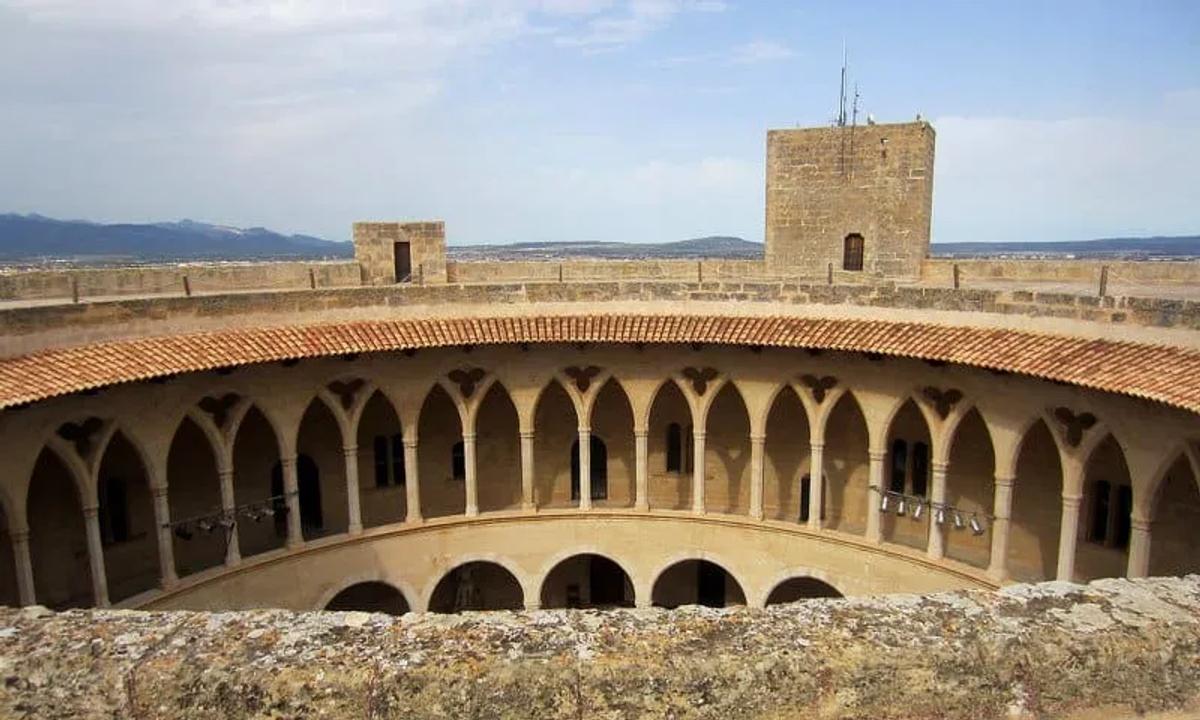
32. Bellver Castle
The circular "Castell de Bellver" from the 14th century was a royal fortress, a summer residence and a prison, and is a striking landmark of Palma. It is the symbol of Palma and offers a magnificent panoramic view over the city and the pine woods that surround the splendid structure. Visit the principal museums and the prison, and on summer evenings open-air concerts are held in the castle's central courtyard.
Thomas Wolf
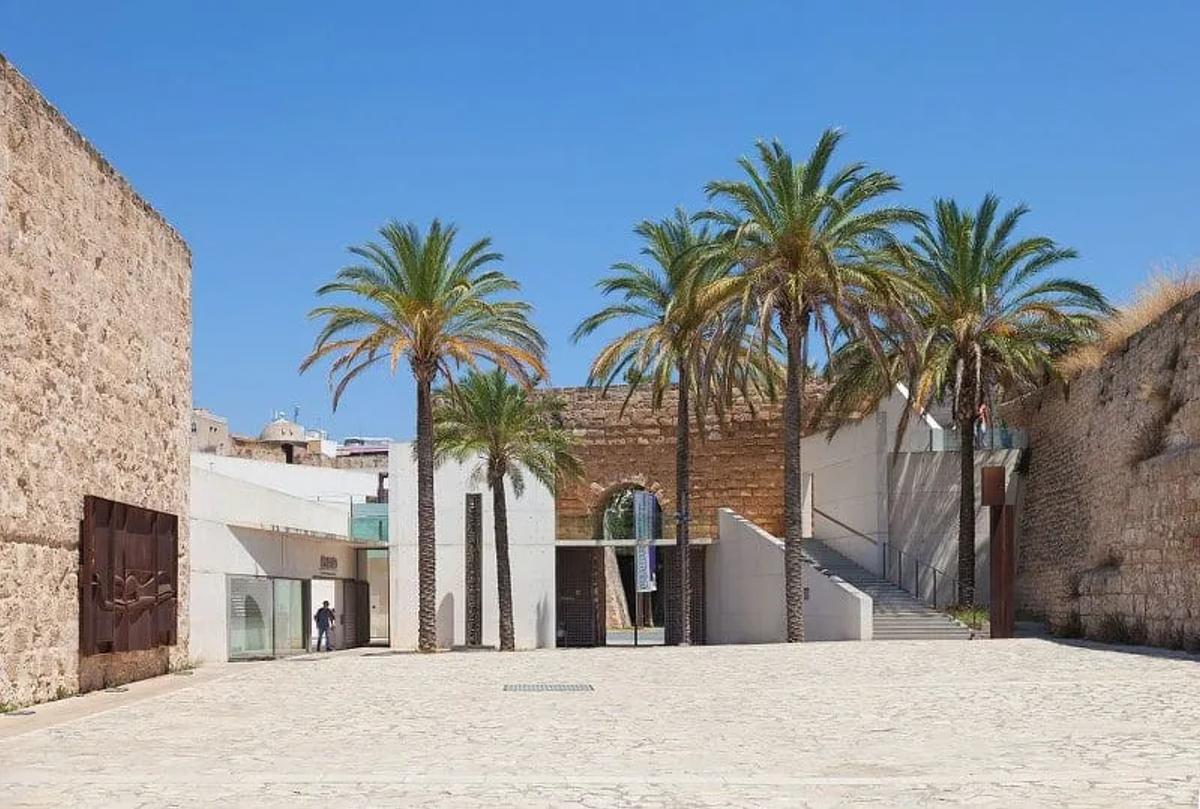
33. Es Baluard Museum of Modern and Contemporary Art
An interesting building within the old city walls – overlooking the Paseo Marítimo – that houses a large collection of contemporary art. Many of the artists on display are Mallorcan or have a connection to the island. Alongside the permanent collections there are also temporary exhibitions.
Antonio De Lorenzo
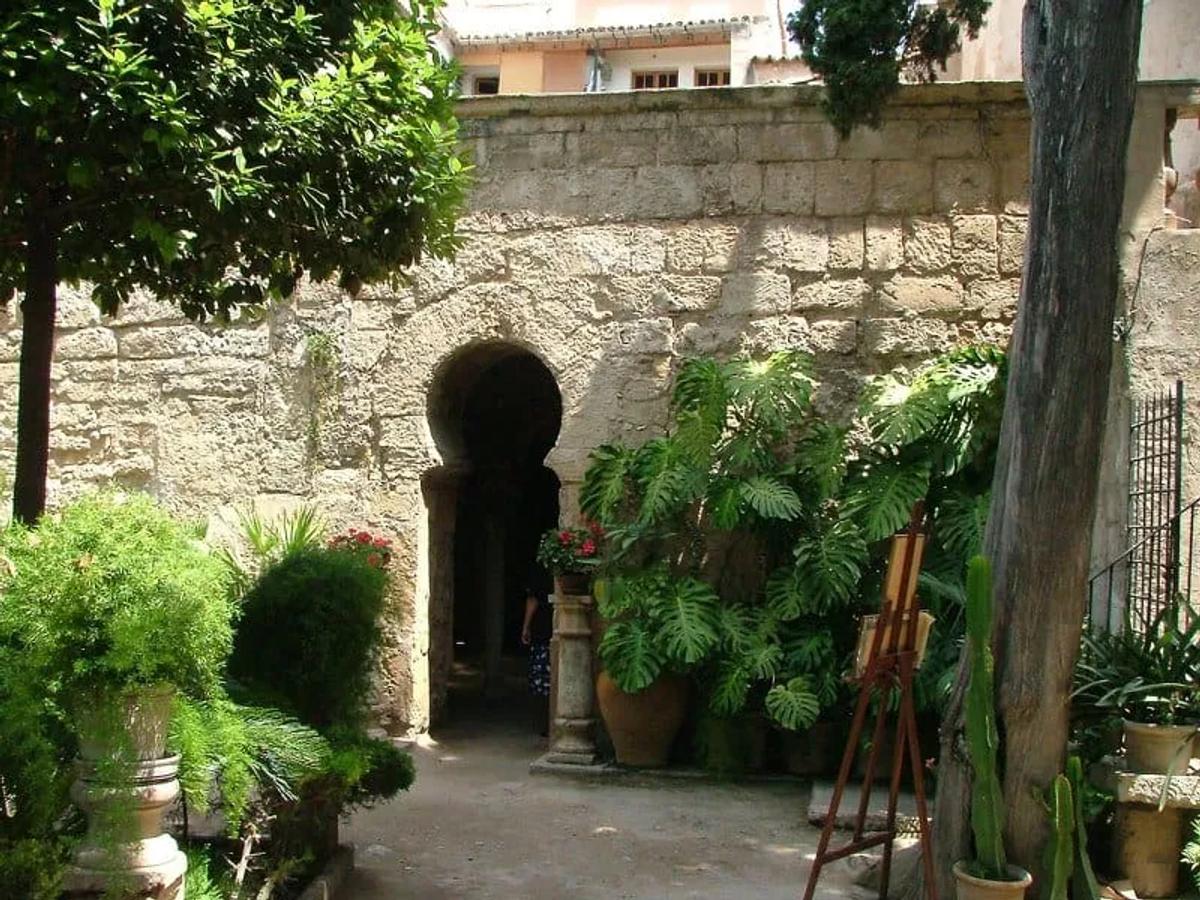
34. Arab Baths
Dating from the 10th to 12th centuries, they are one of the few examples of Arab architecture in Mallorca. Explore the beautiful bathing areas and relax in the peaceful gardens, just as the bathers of old would have done.
Gunnar Klack
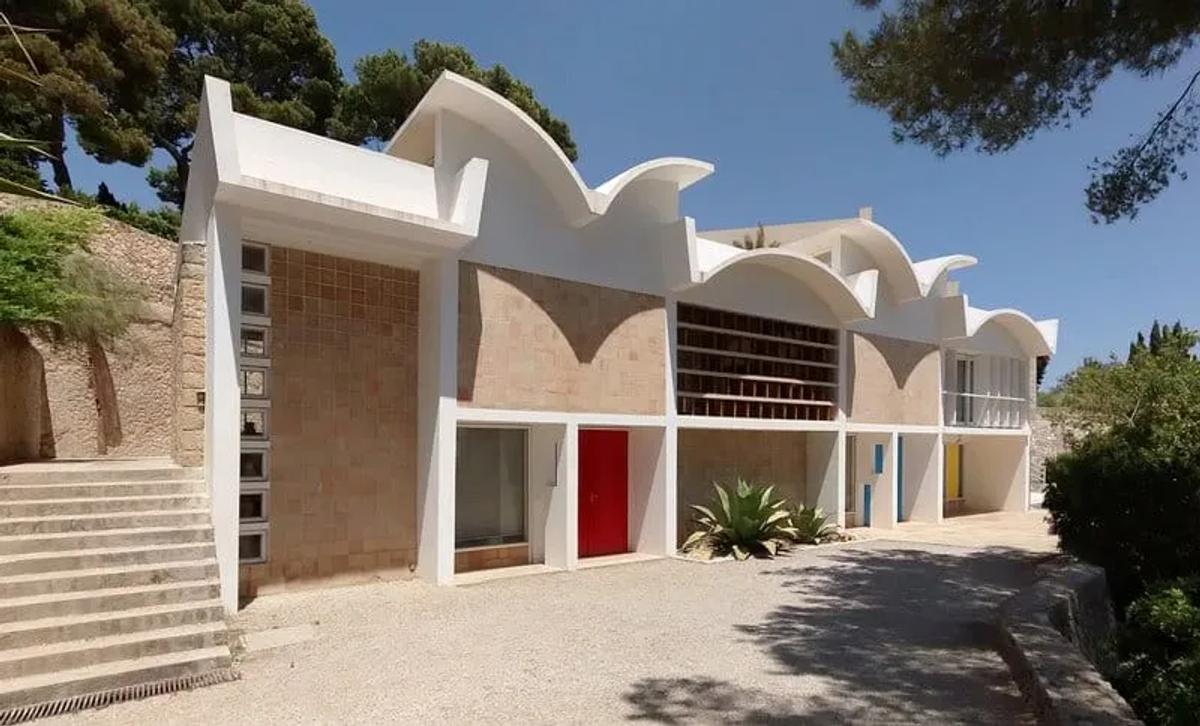
35. Pilar and Joan Miró Foundation
On the western side of Palma, the draw for art lovers was the home and studio of the Abstract Expressionist painter and sculptor Joan Miró, who spent most of his life in Barcelona but whose mother and wife came from the island. In 1956 he bought the property and lived there until his death, when the house was expanded into a permanent exhibition of his more than 6,000 works. The park is home to many of his sculptures and there is a good café for refreshments.
Is there more to see in Mallorca?
But of course! This incredible island is full of amazing places and historic sites. And best of all: all of Mallorca's sights are close at hand! No long drives between excursions, as most of them lie along the same route.
Come to Mallorca and fall in love…
if(window.strchfSettings === undefined) window.strchfSettings = {}; window.strchfSettings.stats = {url: "https://puntorosso.storychief.io/35-things-to-see-in-majorca?id=1107996950&type=2",title: "35 things to see in Majorca",id: "91f3222c-0689-4318-802b-a5865bf420b0"}; (function(d, s, id) { var js, sjs = d.getElementsByTagName(s)[0]; if (d.getElementById(id)) {window.strchf.update(); return;} js = d.createElement(s); js.id = id; js.src = "https://d37oebn0w9ir6a.cloudfront.net/scripts/v0/strchf.js"; js.async = true; sjs.parentNode.insertBefore(js, sjs); }(document, 'script', 'storychief-jssdk'))
Plan your stay in Mallorca with Puntorosso – for weddings, visit our wedding planner in Mallorca, and for corporate events our event planning in Mallorca.
Planning a wedding or an event on Mallorca?
We reply shortly – with a first proposal and a price indication.
Enquire now